

HOOD RIVER — Two voter action programs have been working hard to help people stay informed and understand the significance of their vote.
Author: Robert Timlick
-

North Korean Group Collaborates with Play Ransomware in Significant Cyber Attack
Threat actors in North Korea have been implicated in a recent incident that deployed a known ransomware family called Play, underscoring their financial motivations.
The activity, observed between May and September 2024, has been attributed to a threat actor tracked as Jumpy Pisces, which is also known as Andariel, APT45, DarkSeoul, Nickel Hyatt, Onyx Sleet (formerly Plutonium), Operation Troy, -
Opera Browser Fixes Big Security Hole That Could Have Exposed Your Information
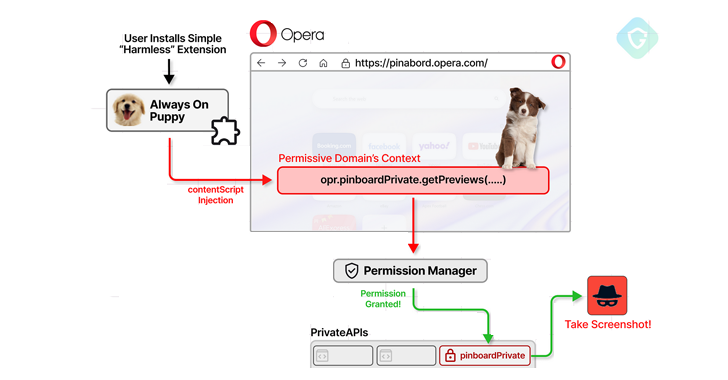
A now-patched security flaw in the Opera web browser could have enabled a malicious extension to gain unauthorized, full access to private APIs.
The attack, codenamed CrossBarking, could have made it possible to conduct actions such as capturing screenshots, modifying browser settings, and account hijacking, Guardio Labs said.
To demonstrate the issue, the company said it managed to publish a -

Malvertising Campaign Hijacks Facebook Accounts to Spread SYS01stealer Malware
Cybersecurity researchers have uncovered an ongoing malvertising campaign that abuses Meta’s advertising platform and hijacked Facebook accounts to distribute information known as SYS01stealer.
“The hackers behind the campaign use trusted brands to expand their reach,” Bitdefender Labs said in a report shared with The Hacker News.
“The malvertising campaign leverages nearly a hundred malicious -

8 Strategies for Tackling “Technical Debt” at Your Company
Did your company’s software system once seem sleek and nimble? But now it resembles a tangled web of shortcuts, patches, and workarounds. Welcome to the realm of technical debt. It’s a silent saboteur that accumulates over time, threatening your efficiency.
What Is Technical Debt?
Think of technical debt as the interest you pay on a loan you never intended to take. Technical debt accumulates when companies choose shortcut IT solutions. Rather than better, longer, more sustainable ones.
Initially, it seems harmless. But as your system grows, those hasty decisions compound. This slows down progress and creates future complications.
Addressing technical debt is essential for maintaining a robust, efficient technology environment. Here are eight strategies to tackle technical debt at your company.
1. Identify and Prioritize Technical Debt
Identifying technical debt is the first step in managing it effectively. Focus on the most critical issues first. This drives you to focus on changes that bring the most value.
- Conduct a Technical Debt Audit: Start by identifying where technical debt exists. Conduct an audit of your network infrastructure, and processes. Document areas where shortcuts or quick fixes have been used.
- Categorize and Rank: Not all technical debt needs immediate attention. Categorize debt based on its impact on performance, security, and maintainability. Rank the most critical issues to address first.
- Create a Technical Debt Register: Maintain a register of all identified technical debt. This helps track what has been addressed and what still needs attention.
2. Integrate Debt Management into Your Workflow
Incorporating debt management into your workflow ensures continuous attention to technical debt. This helps maintain a balance between new development and debt reduction.
- Incorporate into Agile Practices: Integrate technical debt management into your agile processes. Regularly review and address these tasks during sprint retrospectives.
- Set Aside Time for Repairs: Earmark time for repairs and technical debt reduction. This ensures that potential issues aren’t forgotten.
- Track Progress: Regularly track progress on technical debt reduction. Use metrics to track improvements and identify areas still needing work.
3. Educate and Train Your Team
Educating your team about technical debt is crucial. It helps prevent new debt and addresses existing issues. Training and knowledge sharing foster a culture of quality and long-term thinking.
- Promote Awareness: Ensure your team understands the concept of technical debt. Promote awareness of its impacts on the system and future IT projects.
- Provide Training: Provide training on best practices for adopting new technology. Educate your team on how to avoid creating new technical debt.
- Encourage Knowledge Sharing: Encourage knowledge sharing within the team. Hold regular meetings to discuss technical debt and share solutions.
4. Improve Documentation
Good documentation is essential for understanding and addressing technical debt. It provides a clear reference for current and future team members.
- Document Existing Systems: Create comprehensive documentation for your existing systems. This includes hardware configurations, software setups, and network diagrams.
- Update Documentation Regularly: Ensure documentation is regularly updated. Include changes and improvements as they occur.
- Use Standardized Templates: Use standardized templates for documentation. This ensures consistency and completeness. Standardized documentation is easier to create, maintain, and use.
5. Regularly Update and Refactor Systems
Regular updates and system refactoring help keep technical debt under control. This involves making small, manageable changes to improve technology quality.
- Plan Regular Updates: Plan regular updates to improve system quality. Schedule these updates during less busy times or between major projects. Regular updates help keep technical debt under control.
- Focus on High-Impact Areas: Focus updating efforts on high-impact areas. Identify systems that are frequently used or critical to performance.
- Incremental Improvements: Approach updating as a series of incremental improvements. Make small, manageable changes rather than large overhauls. Incremental improvements are less risky and easier to deploy.
6. Optimize Security Practices
Optimized security practices ensure that changes do not introduce new issues. Comprehensive security measures help maintain system reliability and performance.
- Install Comprehensive Security Measures: Deploy comprehensive security practices. This includes firewalls, encryption, and regular security audits.
- Use Proactive Security Practices: Adopt proactive security practices. Update security protocols and software. Proactive security helps catch issues early and ensures systems remain secure.
- Automate Security Monitoring: Automate as much of the security monitoring process as possible. Automation increases efficiency and reduces the risk of human error.
7. Manage Dependencies
Effective dependency management reduces the risk of introducing technical debt. Keeping track of and updating dependencies ensures compatibility and security.
- Track and Update Dependencies: Keep track of all dependencies in your technology environment. Update them to the latest versions. Updated dependencies often include security patches and performance improvements.
- Use Dependency Management Tools: Use dependency management tools to handle dependencies. These tools help automate updates and ensure compatibility.
- Isolate Critical Dependencies: Isolate critical dependencies to reduce their impact. Ensure that critical components are well-documented and understood.
8. Foster a Culture of Continuous Improvement
A culture of continuous improvement helps address technical debt proactively. Encourage learning, celebrating successes, and regular reflection. This drives ongoing enhancement.
- Encourage Continuous Learning: Provide opportunities for professional development and skill enhancement. A knowledgeable team is better equipped to address and prevent technical debt.
- Celebrate Successes: Recognize and reward efforts to improve IT quality and maintainability. Positive reinforcement fosters a culture of quality and continuous improvement.
Work with an IT Provider That Thinks Proactively
Addressing technical debt proactively ensures your systems remain scalable, maintainable, and secure. This enables your business to thrive in a competitive landscape.
Our technology team takes a proactive and long-term approach. We do things right the first time and don’t take shortcuts. This reduces the risk of accumulating technical debt.
Contact us today to schedule a chat about enhancing your IT systems.
—
This Article has been Republished with Permission from The Technology Press.
-

Researchers Uncover Python Package Targeting Crypto Wallets with Malicious Code
Cybersecurity researchers have discovered a new malicious Python package that masquerades as a cryptocurrency trading tool but harbors functionality designed to steal sensitive data and drain assets from victims’ crypto wallets.
The package, named “CryptoAITools,” is said to have been distributed via both Python Package Index (PyPI) and bogus GitHub repositories. It was downloaded over 1,300 -

Embarking on a Compliance Journey? Here’s How Intruder Can Help
Navigating the complexities of compliance frameworks like ISO 27001, SOC 2, or GDPR can be daunting.
Luckily, Intruder simplifies the process by helping you address the key vulnerability management criteria these frameworks demand, making your compliance journey much smoother.
Read on to understand how to meet the requirements of each framework to keep your customer data safe.
How Intruder -

Nov. 5 General Election: Marla Keethler, from White Salmon city councilor to state senate hopeful
Marla Keethler’s organic journey in government -

Klickitat County Auditor’s Office: Ballot box security
KLICKITAT CO. (Oct. 29, 2024, 5:56 p.m.) — The Klickitat County Auditor’s Office appreciates the public’s inquiries regarding elections security in Klickitat County and desire to make sure your ballots are secure. Given the recent incidents of ballot box attacks… -

Researchers Uncover Vulnerabilities in Open-Source AI and ML Models
A little over three dozen security vulnerabilities have been disclosed in various open-source artificial intelligence (AI) and machine learning (ML) models, some of which could lead to remote code execution and information theft.
The flaws, identified in tools like ChuanhuChatGPT, Lunary, and LocalAI, have been reported as part of Protect AI’s Huntr bug bounty platform.
The most severe of the