-

China-Linked Storm-1175 Exploits Zero-Days to Rapidly Deploy Medusa Ransomware
A China-based threat actor known for deploying Medusa ransomware has been linked to the weaponization of a combination of zero-day and N-day vulnerabilities to orchestrate “high-velocity” attacks and break into susceptible internet-facing systems. “The threat actor’s high operational tempo and proficiency in identifying exposed perimeter assets have proven successful, with recent
-

Flowise AI Agent Builder Under Active CVSS 10.0 RCE Exploitation; 12,000+ Instances Exposed
Threat actors are exploiting a maximum-severity security flaw in Flowise, an open-source artificial intelligence (AI) platform, according to new findings from VulnCheck. The vulnerability in question is CVE-2025-59528 (CVSS score: 10.0), a code injection vulnerability that could result in remote code execution. “The CustomMCP node allows users to input configuration settings for connecting
-

Iran-Linked Password-Spraying Campaign Targets 300+ Israeli Microsoft 365 Organizations
An Iran-nexus threat actor is suspected to be behind a password-spraying campaign targeting Microsoft 365 environments in Israel and the U.A.E. amid ongoing conflict in the Middle East. The activity, assessed to be ongoing, was carried out in three distinct attack waves that took place on March 3, March 13, and March 23, 2026, per Check Point. “The campaign is…
-

DPRK-Linked Hackers Use GitHub as C2 in Multi-Stage Attacks Targeting South Korea
Threat actors likely associated with the Democratic People’s Republic of Korea (DPRK) have been observed using GitHub as command-and-control (C2) infrastructure in multi-stage attacks targeting organizations in South Korea. The attack chain, per Fortinet FortiGuard Labs, involves obfuscated Windows shortcut (LNK) files acting as the starting point to drop a decoy PDF
-

Multi-OS Cyberattacks: How SOCs Close a Critical Risk in 3 Steps
Your attack surface no longer lives on one operating system, and neither do the campaigns targeting it. In enterprise environments, attackers move across Windows endpoints, executive MacBooks, Linux infrastructure, and mobile devices, taking advantage of the fact that many SOC workflows are still fragmented by platform. For security leaders, this creates a
-

How LiteLLM Turned Developer Machines Into Credential Vaults for Attackers
The most active piece of enterprise infrastructure in the company is the developer workstation. That laptop is where credentials are created, tested, cached, copied, and reused across services, bots, build tools, and now local AI agents. In March 2026, the TeamPCP threat actor proved just how valuable developer machines are. Their supply chain attack on
-

Qilin and Warlock Ransomware Use Vulnerable Drivers to Disable 300+ EDR Tools
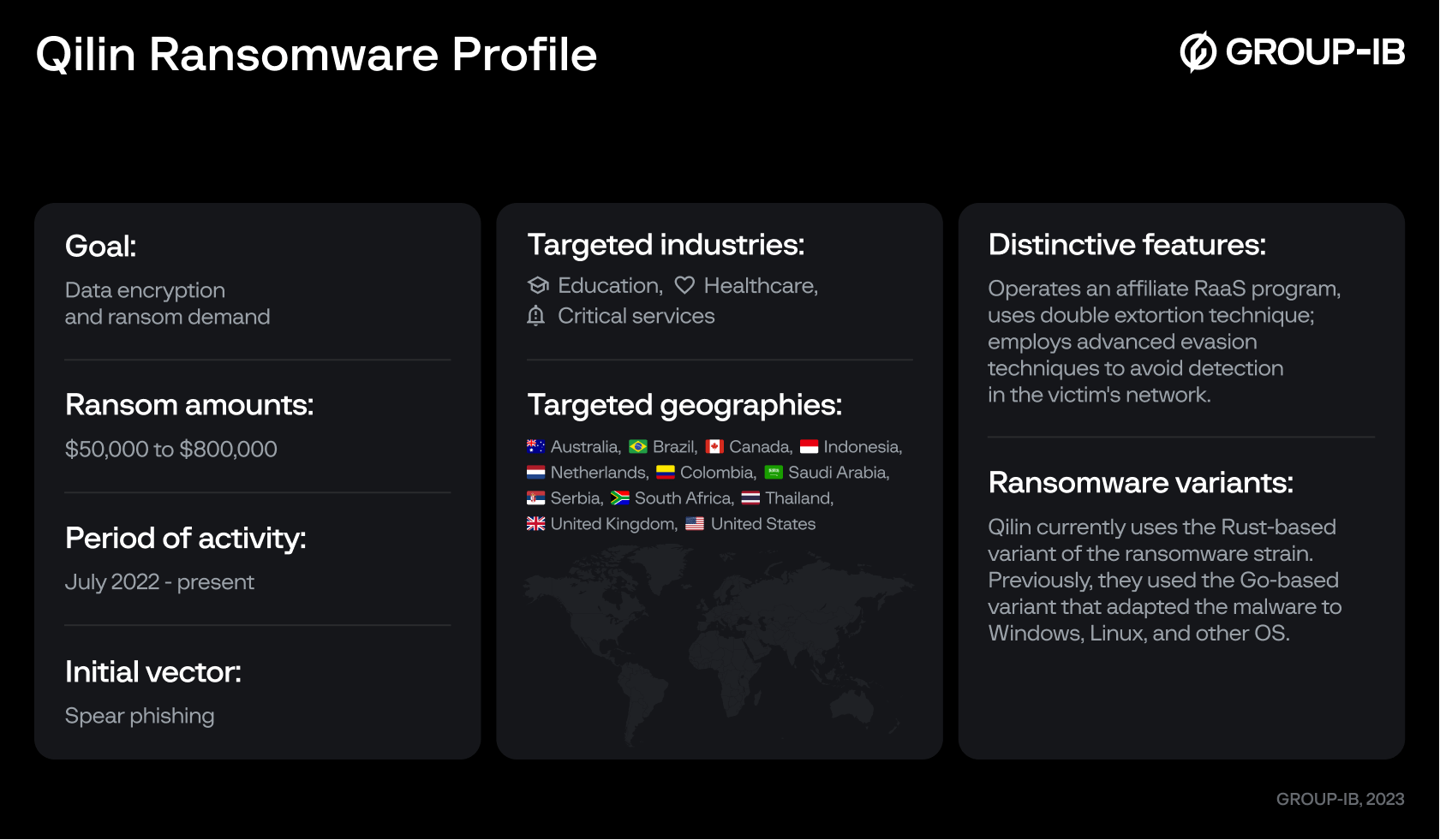
Threat actors associated with Qilin and Warlock ransomware operations have been observed using the bring your own vulnerable driver (BYOVD) technique to silence security tools running on compromised hosts, according to findings from Cisco Talos and Trend Micro. Qilin attacks analyzed by Talos have been found to deploy a malicious DLL named “msimg32.dll,”
-

BKA Identifies REvil Leaders Behind 130 German Ransomware Attacks
Germany’s Federal Criminal Police Office (aka BKA or the Bundeskriminalamt) has unmasked the real identity of the main threat actors associated with the now-defunct REvil (aka Sodinokibi) ransomware-as-a-service (RaaS) operation. The threat actor, who went by the alias UNKN, functioned as a representative of the group, advertising the ransomware in June 2019 on the XSS…
-

BKA Identifies REvil Leaders Behind 130 German Ransomware Attacks
Germany’s Federal Criminal Police Office (aka BKA or the Bundeskriminalamt) has unmasked the real identity of the main threat actors associated with the now-defunct REvil (aka Sodinokibi) ransomware-as-a-service (RaaS) operation. The threat actor, who went by the alias UNKN, functioned as a representative of the group, advertising the ransomware in June 2019 on the XSS…
-

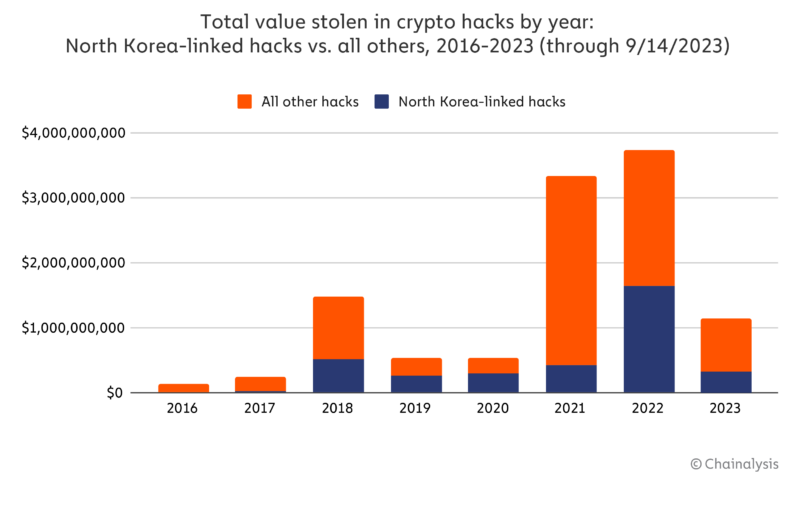
$285 Million Drift Hack Traced to Six-Month DPRK Social Engineering Operation
Drift has revealed that the April 1, 2026, attack that led to the theft of $285 million was the culmination of a months-long targeted and meticulously planned social engineering operation undertaken by the Democratic People’s Republic of Korea (DPRK) that began in the fall of 2025. The Solana-based decentralized exchange described it as “an attack six months in the