-

APT-C-60 Hackers Exploit StatCounter and Bitbucket in SpyGlace Malware Campaign
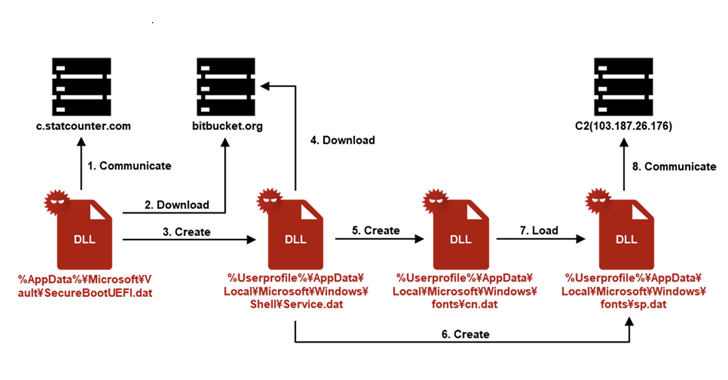
The threat actor known as APT-C-60 has been linked to a cyber attack targeting an unnamed organization in Japan that used a job application-themed lure to deliver the SpyGlace backdoor. That’s according to findings from JPCERT/CC, which said the intrusion leveraged legitimate services like Google Drive, Bitbucket, and StatCounter. The attack was carried out around…
-

INTERPOL Busts African Cybercrime: 1,006 Arrests, 134,089 Malicious Networks Dismantled
An INTERPOL-led operation has led to the arrest of 1,006 suspects across 19 African countries and the takedown of 134,089 malicious infrastructures and networks as part of a coordinated effort to disrupt cybercrime in the continent. Dubbed Serengeti, the law enforcement exercise took place between September 2 and October 31, 2024, and targeted criminals behind…
-

Matrix Botnet Exploits IoT Devices in Widespread DDoS Botnet Campaign
A threat actor named Matrix has been linked to a widespread distributed denial-of-service (DoD) campaign that leverages vulnerabilities and misconfigurations in Internet of Things (IoT) devices to co-opt them into a disruptive botnet. “This operation serves as a comprehensive one-stop shop for scanning, exploiting vulnerabilities, deploying malware, and setting up shop kits, showcasing a
-

5 Scattered Spider Gang Members Indicted in Multi-Million Dollar Cybercrime Scheme
Five alleged members of the infamous Scattered Spider cybercrime crew have been indicted in the U.S. for targeting employees of companies across the country using social engineering techniques to harvest credentials and using them to gain unauthorized access to sensitive data and break into crypto accounts to steal digital assets worth millions of dollars. All…
-

Google’s AI-Powered OSS-Fuzz Tool Finds 26 Vulnerabilities in Open-Source Projects
Google has revealed that its AI-powered fuzzing tool, OSS-Fuzz, has been used to help identify 26 vulnerabilities in various open-source code repositories, including a medium-severity flaw in the OpenSSL cryptographic library. “These particular vulnerabilities represent a milestone for automated vulnerability finding: each was found with AI, using AI-generated and enhanced fuzz targets,”
-

NodeStealer Malware Targets Facebook Ad Accounts, Harvesting Credit Card Data
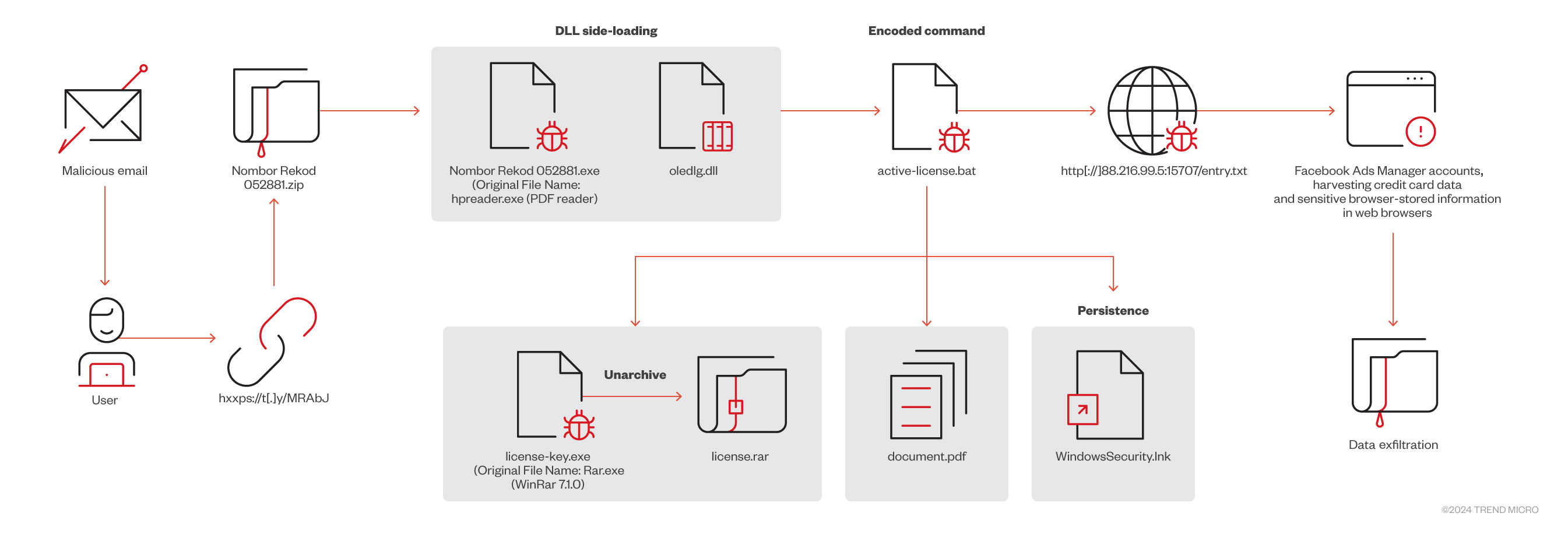
Threat hunters are warning about an updated version of the Python-based NodeStealer that’s now equipped to extract more information from victims’ Facebook Ads Manager accounts and harvest credit card data stored in web browsers. “They collect budget details of Facebook Ads Manager accounts of their victims, which might be a gateway for Facebook malvertisement,” Netskope…
-

Ghost Tap: Hackers Exploiting NFCGate to Steal Funds via Mobile Payments
Threat actors are increasingly banking on a new technique that leverages near-field communication (NFC) to cash out victim’s funds at scale. The technique, codenamed Ghost Tap by ThreatFabric, enables cybercriminals to cash-out money from stolen credit cards linked to mobile payment services such as Google Pay or Apple Pay and relaying NFC traffic. “Criminals can…
-

NHIs Are the Future of Cybersecurity: Meet NHIDR
The frequency and sophistication of modern cyberattacks are surging, making it increasingly challenging for organizations to protect sensitive data and critical infrastructure. When attackers compromise a non-human identity (NHI), they can swiftly exploit it to move laterally across systems, identifying vulnerabilities and compromising additional NHIs in minutes. While organizations often take
-

Ngioweb Botnet Fuels NSOCKS Residential Proxy Network Exploiting IoT Devices
The malware known as Ngioweb has been used to fuel a notorious residential proxy service called NSOCKS, as well as by other services such as VN5Socks and Shopsocks5, new findings from Lumen Technologies reveal. “At least 80% of NSOCKS bots in our telemetry originate from the Ngioweb botnet, mainly utilizing small office/home office (SOHO) routers…
-

Hackers Hijack Unsecured Jupyter Notebooks to Stream Illegal Sports Broadcasts
Malicious actors are exploiting misconfigured JupyterLab and Jupyter Notebooks to conduct stream ripping and enable sports piracy using live streaming capture tools. The attacks involve the hijack of unauthenticated Jupyter Notebooks to establish initial access, and perform a series of actions designed to facilitate illegal live streaming of sports events, Aqua said in a report…