

This week, cyber attackers are moving quickly, and businesses need to stay alert. They’re finding new weaknesses in popular software and coming up with clever ways to get around security. Even one unpatched flaw could let attackers in, leading to data theft or even taking control of your systems. The clock is ticking—if defenses aren’t updated regularly, it could lead to serious damage. The
Category: Uncategorized
-
6 Lessons Learned: Focusing Security Where Business Value Lives
The Evolution of Exposure Management
Most security teams have a good sense of what’s critical in their environment. What’s harder to pin down is what’s business-critical. These are the assets that support the processes the business can’t function without. They’re not always the loudest or most exposed. They’re the ones tied to revenue, operations, and delivery. If one goes down, it’s more than a -
WinRAR Zero-Day Under Active Exploitation – Update to Latest Version Immediately
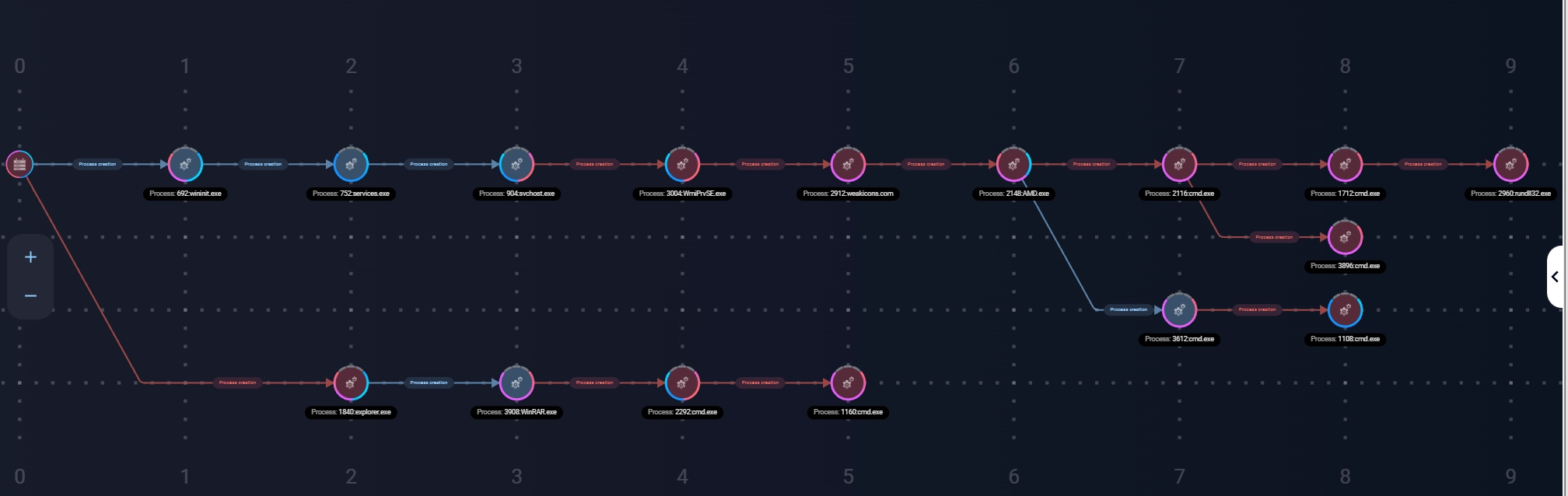
The maintainers of the WinRAR file archiving utility have released an update to address an actively exploited zero-day vulnerability.
Tracked as CVE-2025-8088 (CVSS score: 8.8), the issue has been described as a case of path traversal affecting the Windows version of the tool that could be exploited to obtain arbitrary code execution by crafting malicious archive files.
“When extracting a file, -
New Win-DDoS Flaws Let Attackers Turn Public Domain Controllers into DDoS Botnet via RPC, LDAP
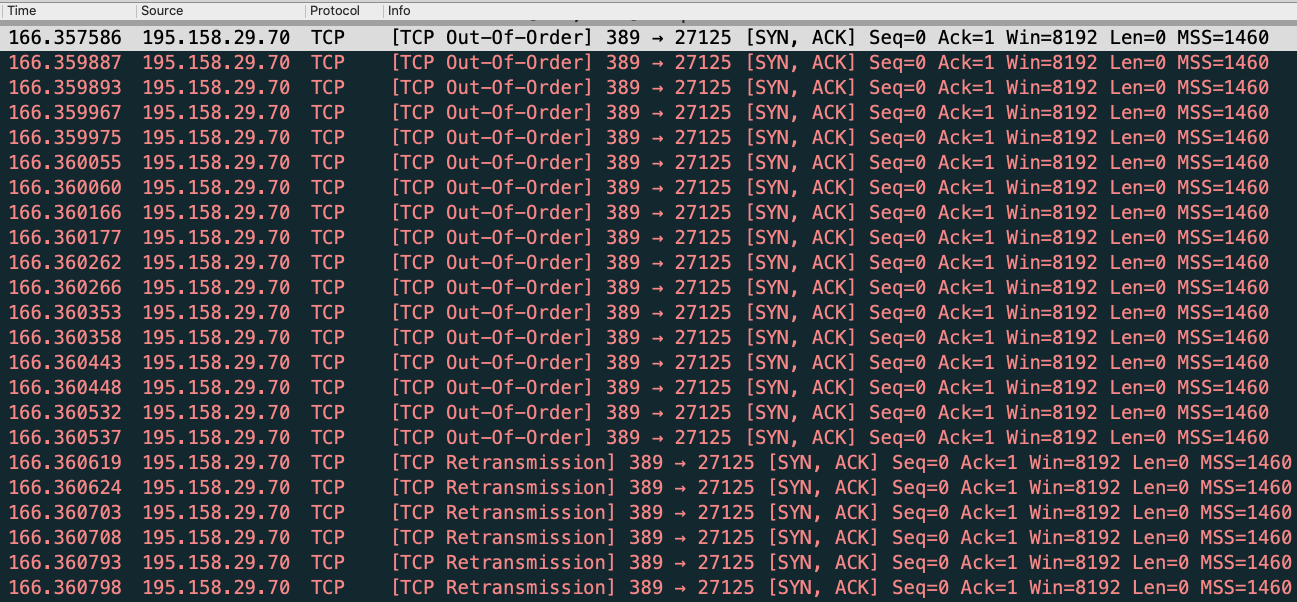
A novel attack technique could be weaponized to rope thousands of public domain controllers (DCs) around the world to create a malicious botnet and use it to conduct power distributed denial-of-service (DDoS) attacks.
The approach has been codenamed Win-DDoS by SafeBreach researchers Or Yair and Shahak Morag, who presented their findings at the DEF CON 33 security conference today.
“As we -
Researchers Detail Windows EPM Poisoning Exploit Chain Leading to Domain Privilege Escalation
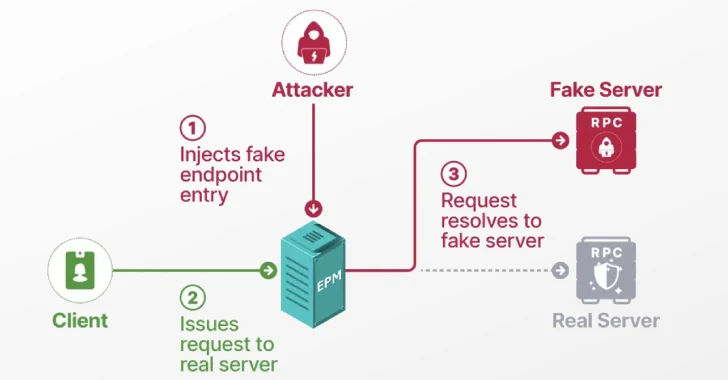
Cybersecurity researchers have presented new findings related to a now-patched security issue in Microsoft’s Windows Remote Procedure Call (RPC) communication protocol that could be abused by an attacker to conduct spoofing attacks and impersonate a known server.
The vulnerability, tracked as CVE-2025-49760 (CVSS score: 3.5), has been described by the tech giant as a Windows Storage spoofing bug -
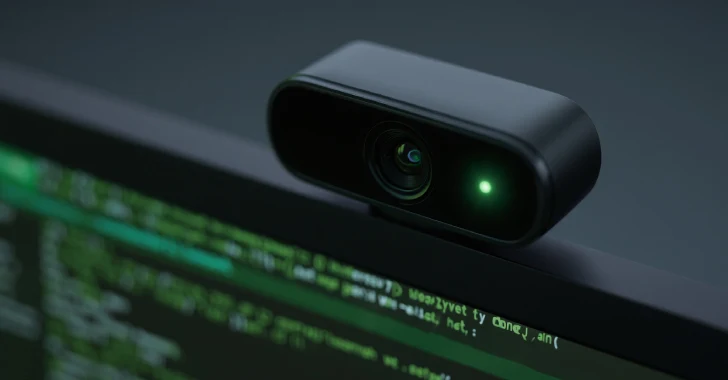
Linux-Based Lenovo Webcams’ Flaw Can Be Remotely Exploited for BadUSB Attacks
Cybersecurity researchers have disclosed vulnerabilities in select model webcams from Lenovo that could turn them into BadUSB attack devices.
“This allows remote attackers to inject keystrokes covertly and launch attacks independent of the host operating system,” Eclypsium researchers Paul Asadoorian, Mickey Shkatov, and Jesse Michael said in a report shared with The Hacker News.
The -

Researchers Uncover GPT-5 Jailbreak and Zero-Click AI Agent Attacks Exposing Cloud and IoT Systems
Cybersecurity researchers have uncovered a jailbreak technique to bypass ethical guardrails erected by OpenAI in its latest large language model (LLM) GPT-5 and produce illicit instructions.
Generative artificial intelligence (AI) security platform NeuralTrust said it combined a known technique called Echo Chamber with narrative-driven steering to trick the model into producing undesirable -
CyberArk and HashiCorp Flaws Enable Remote Vault Takeover Without Credentials
Cybersecurity researchers have discovered over a dozen vulnerabilities in enterprise secure vaults from CyberArk and HashiCorp that, if successfully exploited, can allow remote attackers to crack open corporate identity systems and extract enterprise secrets and tokens from them.
The 14 vulnerabilities, collectively named Vault Fault, affect CyberArk Secrets Manager, Self-Hosted, and -

AI Tools Fuel Brazilian Phishing Scam While Efimer Trojan Steals Crypto from 5,000 Victims
Cybersecurity researchers are drawing attention to a new campaign that’s using legitimate generative artificial intelligence (AI)-powered website building tools like DeepSite AI and BlackBox AI to create replica phishing pages mimicking Brazilian government agencies as part of a financially motivated campaign.
The activity involves the creation of lookalike sites imitating Brazil’s State -
Leaked Credentials Up 160%: What Attackers Are Doing With Them
When an organization’s credentials are leaked, the immediate consequences are rarely visible—but the long-term impact is far-reaching. Far from the cloak-and-dagger tactics seen in fiction, many real-world cyber breaches begin with something deceptively simple: a username and password.
According to Verizon’s 2025 Data Breach Investigations Report, leaked credentials accounted for 22% of breaches