
Big companies are getting smaller, and their CEOs want everyone to know it. Wells Fargo has cut its workforce by 23% over five years, Bank of America has shed 88,000 employees since 2010, and Verizon’s CEO recently boasted that headcount is “going down all the time.” What was once a sign of corporate distress has become a badge of honor, with executives celebrating lean operations and AI-driven
Category: Uncategorized
-
GitHub Mandates 2FA and Short-Lived Tokens to Strengthen npm Supply Chain Security
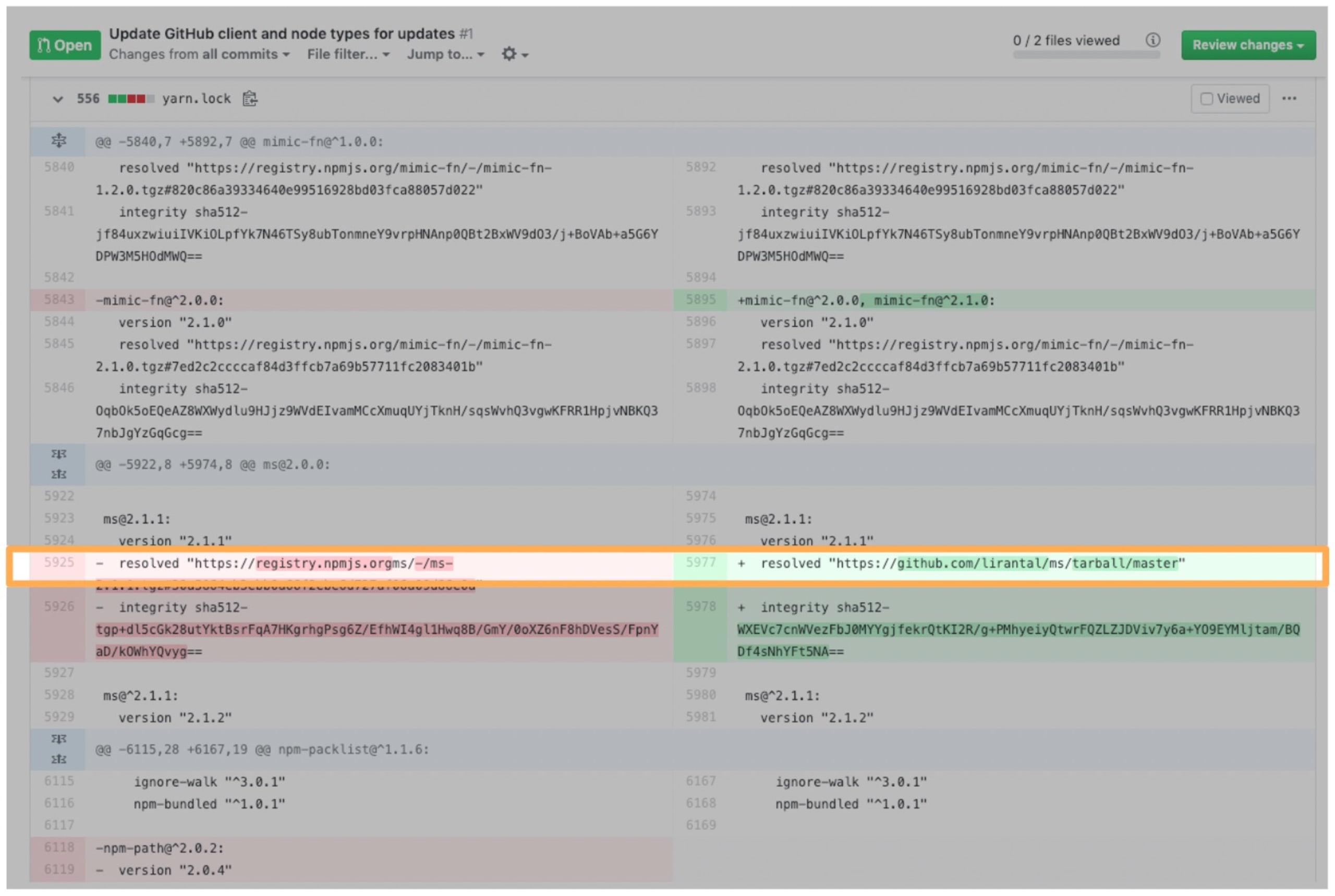
GitHub on Monday announced that it will be changing its authentication and publishing options “in the near future” in response to a recent wave of supply chain attacks targeting the npm ecosystem, including the Shai-Hulud attack.
This includes steps to address threats posed by token abuse and self-replicating malware by allowing local publishing with required two-factor authentication (2FA), -

BadIIS Malware Spreads via SEO Poisoning — Redirects Traffic, Plants Web Shells
Cybersecurity researchers are calling attention to a search engine optimization (SEO) poisoning campaign likely undertaken by a Chinese-speaking threat actor using a malware called BadIIS in attacks targeting East and Southeast Asia, particularly with a focus on Vietnam.
The activity, dubbed Operation Rewrite, is being tracked by Palo Alto Networks Unit 42 under the moniker CL-UNK-1037, where “ -
ComicForm and SectorJ149 Hackers Deploy Formbook Malware in Eurasian Cyberattacks
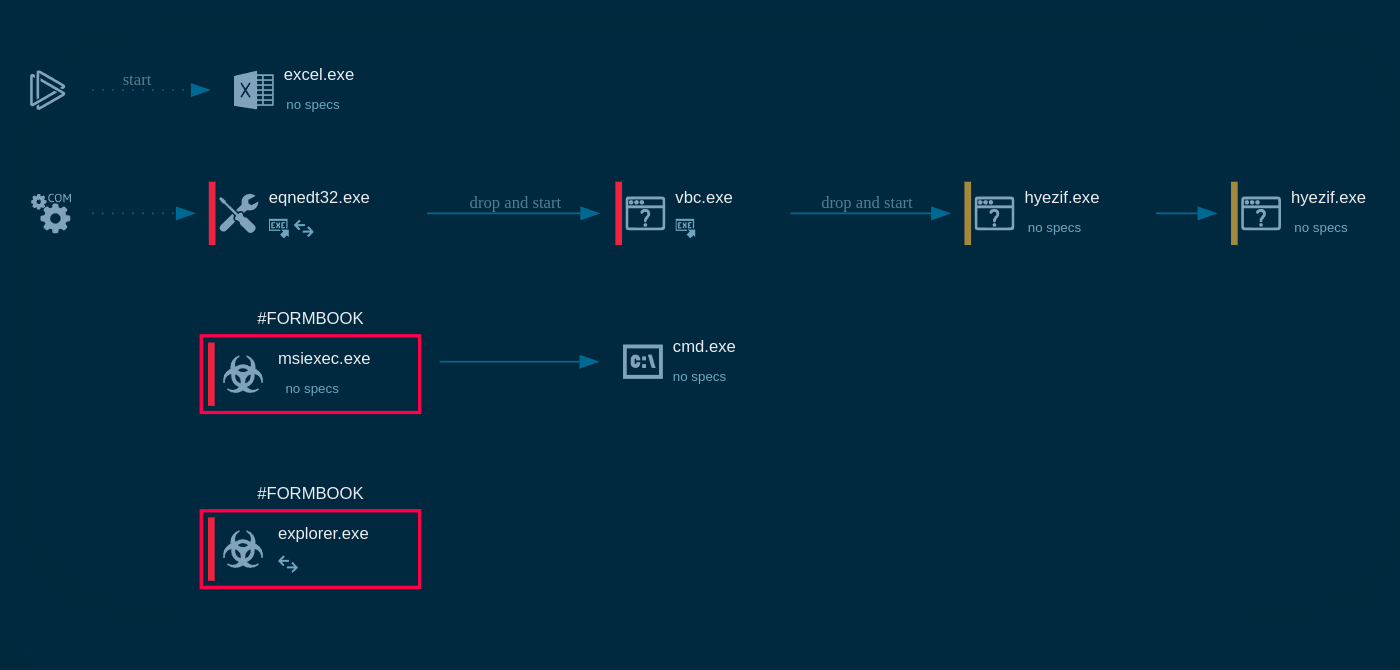
Organizations in Belarus, Kazakhstan, and Russia have emerged as the target of a phishing campaign undertaken by a previously undocumented hacking group called ComicForm since at least April 2025.
The activity primarily targeted industrial, financial, tourism, biotechnology, research, and trade sectors, cybersecurity company F6 said in an analysis published last week.
The attack chain involves -
⚡ Weekly Recap: Chrome 0-Day, AI Hacking Tools, DDR5 Bit-Flips, npm Worm & More
The security landscape now moves at a pace no patch cycle can match. Attackers aren’t waiting for quarterly updates or monthly fixes—they adapt within hours, blending fresh techniques with old, forgotten flaws to create new openings. A vulnerability closed yesterday can become the blueprint for tomorrow’s breach.
This week’s recap explores the trends driving that constant churn: how threat -
⚡ Weekly Recap: Chrome 0-Day, AI Hacking Tools, DDR5 Bit-Flips, npm Worm & More
The security landscape now moves at a pace no patch cycle can match. Attackers aren’t waiting for quarterly updates or monthly fixes—they adapt within hours, blending fresh techniques with old, forgotten flaws to create new openings. A vulnerability closed yesterday can become the blueprint for tomorrow’s breach.
This week’s recap explores the trends driving that constant churn: how threat -

How to Gain Control of AI Agents and Non-Human Identities
We hear this a lot:
“We’ve got hundreds of service accounts and AI agents running in the background. We didn’t create most of them. We don’t know who owns them. How are we supposed to secure them?”
Every enterprise today runs on more than users. Behind the scenes, thousands of non-human identities, from service accounts to API tokens to AI agents, access systems, move data, and execute tasks -
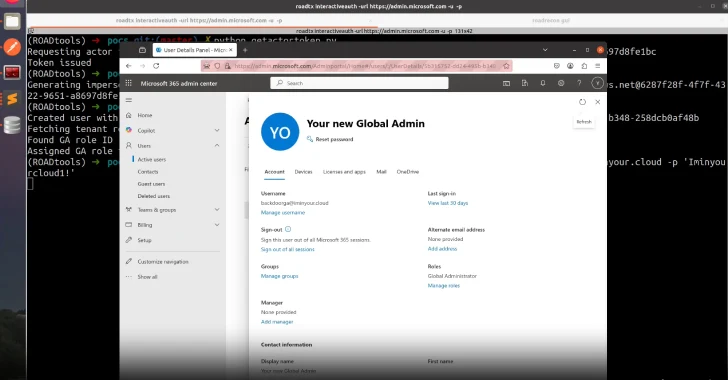
Microsoft Patches Critical Entra ID Flaw Enabling Global Admin Impersonation Across Tenants
A critical token validation failure in Microsoft Entra ID (previously Azure Active Directory) could have allowed attackers to impersonate any user, including Global Administrators, across any tenant.
The vulnerability, tracked as CVE-2025-55241, has been assigned the maximum CVSS score of 10.0. It has been described by Microsoft as a privilege escalation flaw in Azure Entra. There is no -

DPRK Hackers Use ClickFix to Deliver BeaverTail Malware in Crypto Job Scams
Threat actors with ties to the Democratic People’s Republic of Korea (aka DPRK or North Korea) have been observed leveraging ClickFix-style lures to deliver a known malware called BeaverTail and InvisibleFerret.
“The threat actor used ClickFix lures to target marketing and trader roles in cryptocurrency and retail sector organizations rather than targeting software development roles,” GitLab -
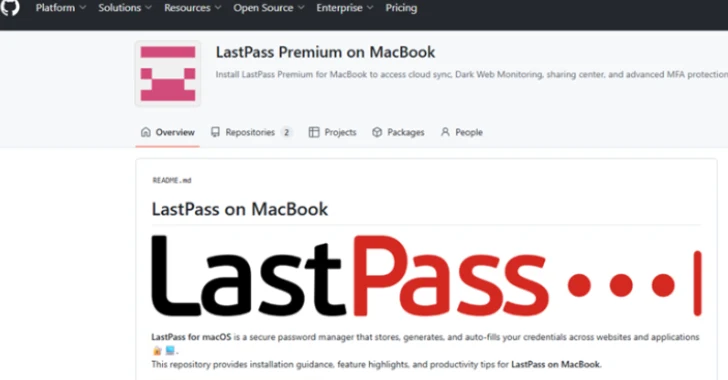
LastPass Warns of Fake Repositories Infecting macOS with Atomic Infostealer
LastPass is warning of an ongoing, widespread information stealer campaign targeting Apple macOS users through fake GitHub repositories that distribute malware-laced programs masquerading as legitimate tools.“In the case of LastPass, the fraudulent repositories redirected potential victims to a repository that downloads the Atomic infostealer malware,” researchers Alex Cox, Mike Kosak, and