

As enterprises refine their strategies for handling Non-Human Identities (NHIs), Robotic Process Automation (RPA) has become a powerful tool for streamlining operations and enhancing security. However, since RPA bots have varying levels of access to sensitive information, enterprises must be prepared to mitigate a variety of challenges. In large organizations, bots are starting to outnumber
Author: Robert Timlick
-
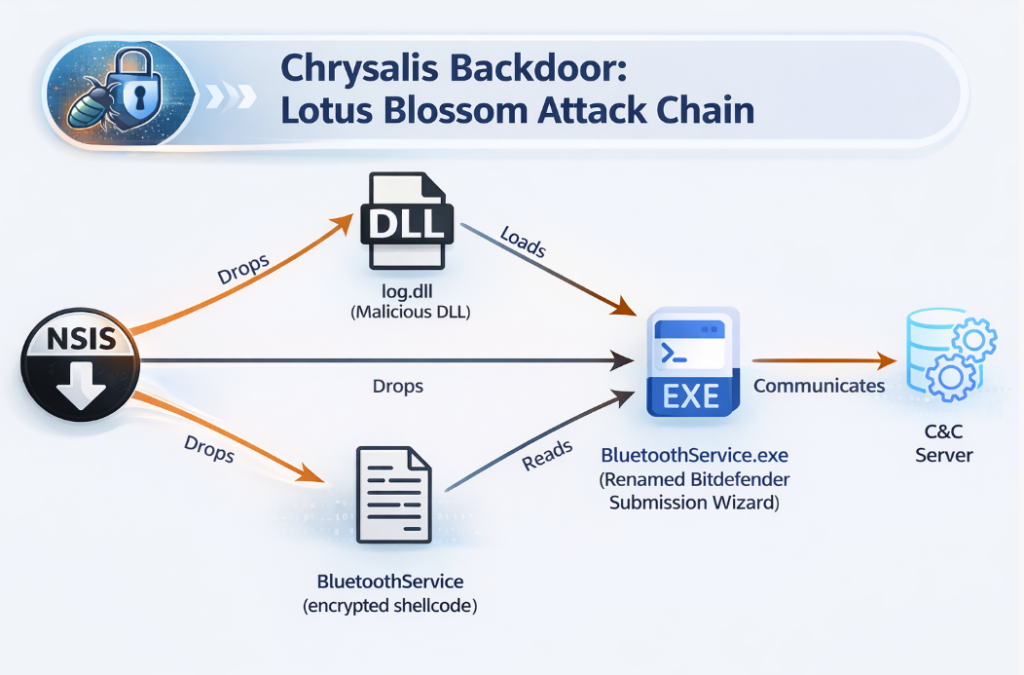
WIRTE Leverages AshenLoader Sideloading to Install the AshTag Espionage Backdoor
An advanced persistent threat (APT) known as WIRTE has been attributed to attacks targeting government and diplomatic entities across the Middle East with a previously undocumented malware suite dubbed AshTag since 2020.
Palo Alto Networks is tracking the activity cluster under the name Ashen Lepus. Artifacts uploaded to the VirusTotal platform show that the threat actor has trained its sights -

Unpatched Gogs Zero-Day Exploited Across 700+ Instances Amid Active Attacks
A high-severity unpatched security vulnerability in Gogs has come under active exploitation, with more than 700 compromised instances accessible over the internet, according to new findings from Wiz.
The flaw, tracked as CVE-2025-8110 (CVSS score: 8.7), is a case of file overwrite in the file update API of the Go-based self-hosted Git service. A fix for the issue is said to be currently in the -

Chrome Targeted by Active In-the-Wild Exploit Tied to Undisclosed High-Severity Flaw
Google on Wednesday shipped security updates for its Chrome browser to address three security flaws, including one it said has come under active exploitation in the wild.
The vulnerability, rated high in severity, is being tracked under the Chromium issue tracker ID “466192044.” Unlike other disclosures, Google has opted to keep information about the CVE identifier, the affected component, and -
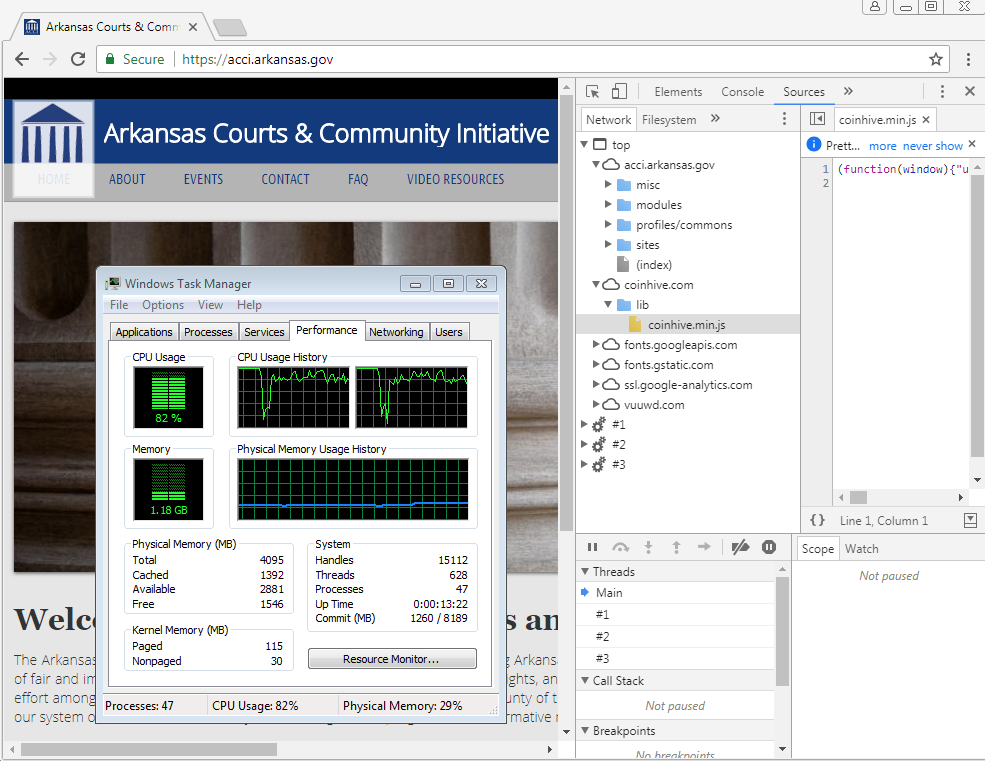
Active Attacks Exploit Gladinet’s Hard-Coded Keys for Unauthorized Access and Code Execution
Huntress is warning of a new actively exploited vulnerability in Gladinet’s CentreStack and Triofox products stemming from the use of hard-coded cryptographic keys that have affected nine organizations so far.
“Threat actors can potentially abuse this as a way to access the web.config file, opening the door for deserialization and remote code execution,” security researcher Bryan Masters said. -

React2Shell Exploitation Delivers Crypto Miners and New Malware Across Multiple Sectors
React2Shell continues to witness heavy exploitation, with threat actors leveraging the maximum-severity security flaw in React Server Components (RSC) to deliver cryptocurrency miners and an array of previously undocumented malware families, according to new findings from Huntress.
This includes a Linux backdoor called PeerBlight, a reverse proxy tunnel named CowTunnel, and a Go-based -

.NET SOAPwn Flaw Opens Door for File Writes and Remote Code Execution via Rogue WSDL
New research has uncovered exploitation primitives in the .NET Framework that could be leveraged against enterprise-grade applications to achieve remote code execution.
WatchTowr Labs, which has codenamed the “invalid cast vulnerability” SOAPwn, said the issue impacts Barracuda Service Center RMM, Ivanti Endpoint Manager (EPM), and Umbraco 8. But the number of affected vendors is likely to be -

Three PCIe Encryption Weaknesses Expose PCIe 5.0+ Systems to Faulty Data Handling
Three security vulnerabilities have been disclosed in the Peripheral Component Interconnect Express (PCIe) Integrity and Data Encryption (IDE) protocol specification that could expose a local attacker to serious risks.
The flaws impact PCIe Base Specification Revision 5.0 and onwards in the protocol mechanism introduced by the IDE Engineering Change Notice (ECN), according to the PCI Special -
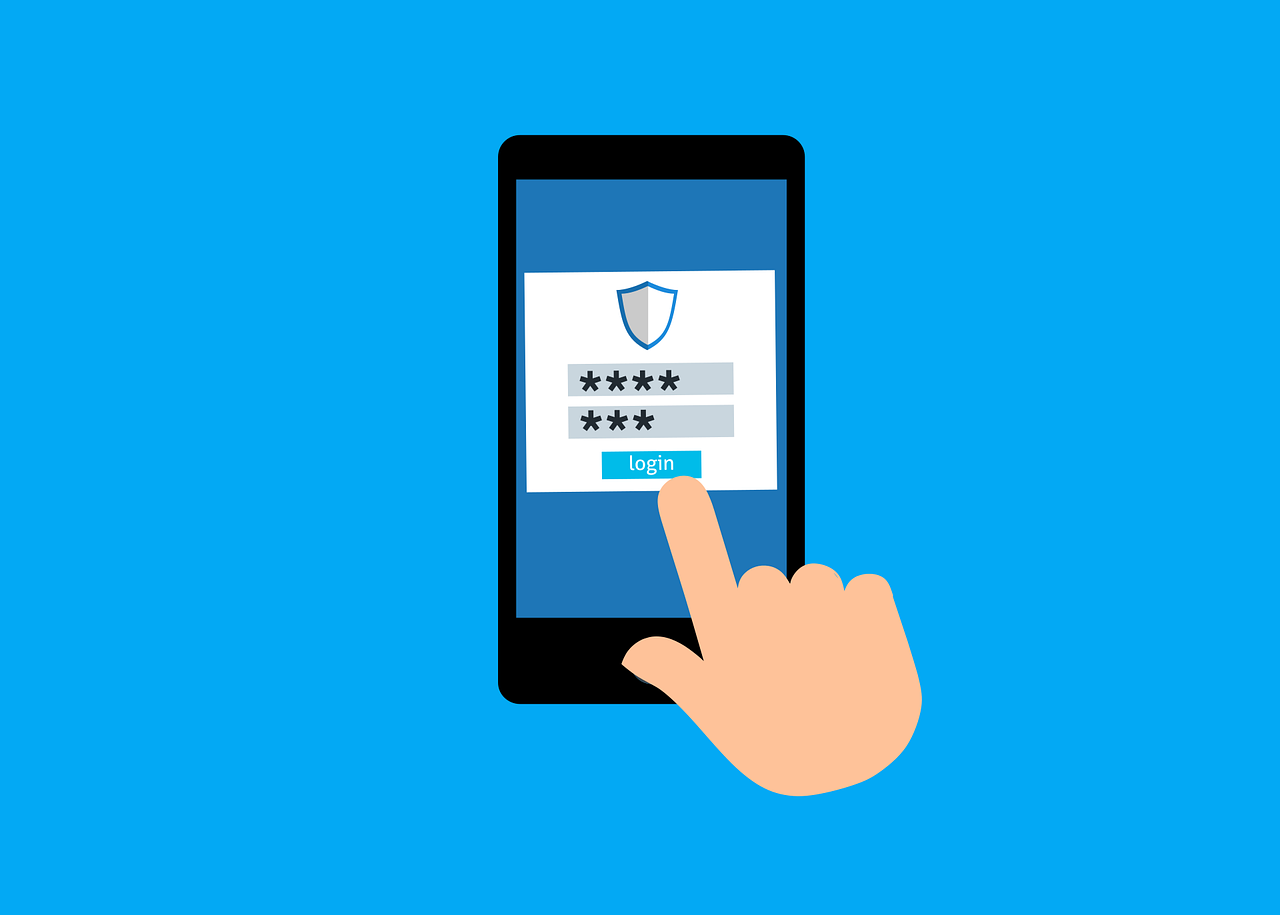
How to Use a Password Manager and Virtual Cards for Zero-Risk Holiday Shopping
Have you ever been concerned about your credit card or personal data getting stolen while shopping online? You’re not alone. Each holiday season, as millions of shoppers flock online for convenience, hackers ramp up their activity. The Federal Trade Commission (FTC) has warned that scammers often create fake shopping websites or phishing emails to steal consumers’ money and personal information, especially during the holidays.
If you’re planning to shop this holiday season, now is the perfect time to boost your online security. Two simple tools, password managers and virtual cards, can make a big difference. But how exactly? This article will show you how to use them to enjoy zero-risk online holiday shopping.
Why People Prefer Password Managers and Virtual Cards for Online Shopping
Shopping online is quick, easy, and often cheaper than going to physical stores. However, it is fraught with security risks. Many people now use password managers and virtual cards for safer transactions.
A password manager creates and keeps complicated, distinct passwords for all accounts. This minimizes the chance of unauthorized access and theft. The Cybersecurity and Infrastructure Security Agency (CISA) recommends using password managers to reduce password reuse and protect sensitive data from hackers.
Virtual cards also add an extra layer of protection when shopping online. Although the card numbers are linked to your real credit or debit card account, the merchant never sees your card details. This helps prevent identity theft and financial fraud.
Tips for Using Password Managers and Virtual Cards for Zero-Risk Holiday Shopping
Before you start adding items to your cart, the safety of your money comes first. Here are smart ways to use these tools to improve online security during the holidays.
Choose a Reputable Password Manager
Select a trusted provider with strong encryption and a solid reputation. Popular options include 1Password, Dashlane, LastPass, and Bitwarden. Fake versions are everywhere, so make sure you only download from the official website or app store.
Create a Strong Master Password
Your master password protects all your other passwords and should be the most secure. “Secure” means making it unusual and not something that can be guessed. You can achieve this by combining letters, numbers, and special characters.
Turn On Two-Factor Authentication (2FA)
2FA adds another protection step by requiring two verification steps. Besides your password, you can choose to receive a verification code on your phone. Even if hackers steal your password, they can’t access your account without your verification code.
Generate Virtual Cards for Each Store
Set up a separate virtual card for each online retailer, many banks and payment apps offer this feature. That way, if one store is compromised, only that temporary card is affected, your main account stays safe.
Track Expiration Dates and Spending Limits
Virtual cards often expire after a set time or after one purchase. This is good for security, but make sure your card is valid before placing an order. Set spending limits as well, as this helps with holiday budgeting and prevents unauthorized charges.
Shop Only on Secure Websites
Be sure to purchase only from websites you are familiar with. Don’t shop from any link in an advertisement or email. You may end up on phishing sites that target your information. The URL of a safe site starts with “https://.”
Also, pay attention to data encryption. Look for the padlock symbol on your browser address bar. This indicates that the site has employed SSL/TLS encryption, which encrypts data as it is passed between your device and the site.
Common Mistakes to Avoid for Safer Online Shopping
Even with the best security tools, simple mistakes can put your data at risk. Developing strong security awareness is key to safer online habits. Here are some common pitfalls to watch out for when shopping:
Reusing Passwords
One hacked password can put all your accounts at risk. Keep them safe by using a different password for every site, your password manager makes it easy.to generate and store strong, distinct passwords for each one.
Using Public Wi-Fi for Shopping
Hackers can easily monitor public Wi-Fi networks, making them unsafe not just for shopping but for any online activity. To protect your data, avoid using Wi-Fi in coffee shops, hotels, or airports for online shopping. Instead, stick to your mobile data or a secure private network.
Ignoring Security Alerts
Many people overlook alerts about unusual activity but ignoring them can be risky. If your bank, password manager, or virtual card provider alerts you to suspicious activity, act immediately. Follow their instructions to protect your data, for example, changing your password and reviewing recent transactions for any signs of fraud.
Saving Card Details in Your Browser
While browsers allow card information to be saved, it is less secure than virtual cards. If hackers access your browser, your saved cards are compromised.
Shop Smarter and Safer This Holiday Season
The holidays should be about celebration, not about worrying over hacked accounts or stolen card details. Using tools like password managers and virtual cards lets you take control of your online shopping security. These tools make password management easier, protect you from phishing scams, and add extra protection against cybercriminals. As you look for the best holiday deals, include security in your shopping checklist. Peace of mind is the best gift you can give yourself.
Need help improving your cybersecurity before the holiday rush? We can help you protect your data with smarter, easy-to-use security solutions. Stay safe, stay secure, and shop online with confidence this season. Contact us today to get started.
—
This Article has been Republished with Permission from The Technology Press.
-

Webinar: How Attackers Exploit Cloud Misconfigurations Across AWS, AI Models, and Kubernetes
Cloud security is changing. Attackers are no longer just breaking down the door; they are finding unlocked windows in your configurations, your identities, and your code.
Standard security tools often miss these threats because they look like normal activity. To stop them, you need to see exactly how these attacks happen in the real world.
Next week, the Cortex Cloud team at Palo Alto Networks