

THE DALLES — Wasco County Democrats are hosting a candidate forum for the four declared Democratic candidates for Oregon House District 52 on Sunday, Feb. 1 from 1-2:30 p.m. at the Mid-Columbia Senior Center, 1112 W. Ninth, The Dalles.
Author: Robert Timlick
-

WhatsApp Rolls Out Lockdown-Style Security Mode to Protect Targeted Users From Spyware
Meta on Tuesday announced it’s adding Strict Account Settings on WhatsApp to secure certain users against advanced cyber attacks because of who they are and what they do.
The feature, similar to Lockdown Mode in Apple iOS and Advanced Protection in Android, aims to protect individuals, such as journalists or public-facing figures, from sophisticated spyware by trading some functionality for -

ClickFix Attacks Expand Using Fake CAPTCHAs, Microsoft Scripts, and Trusted Web Services
Cybersecurity researchers have disclosed details of a new campaign that combines ClickFix-style fake CAPTCHAs with a signed Microsoft Application Virtualization (App-V) script to distribute an information stealer called Amatera.
“Instead of launching PowerShell directly, the attacker uses this script to control how execution begins and to avoid more common, easily recognized execution paths,” -
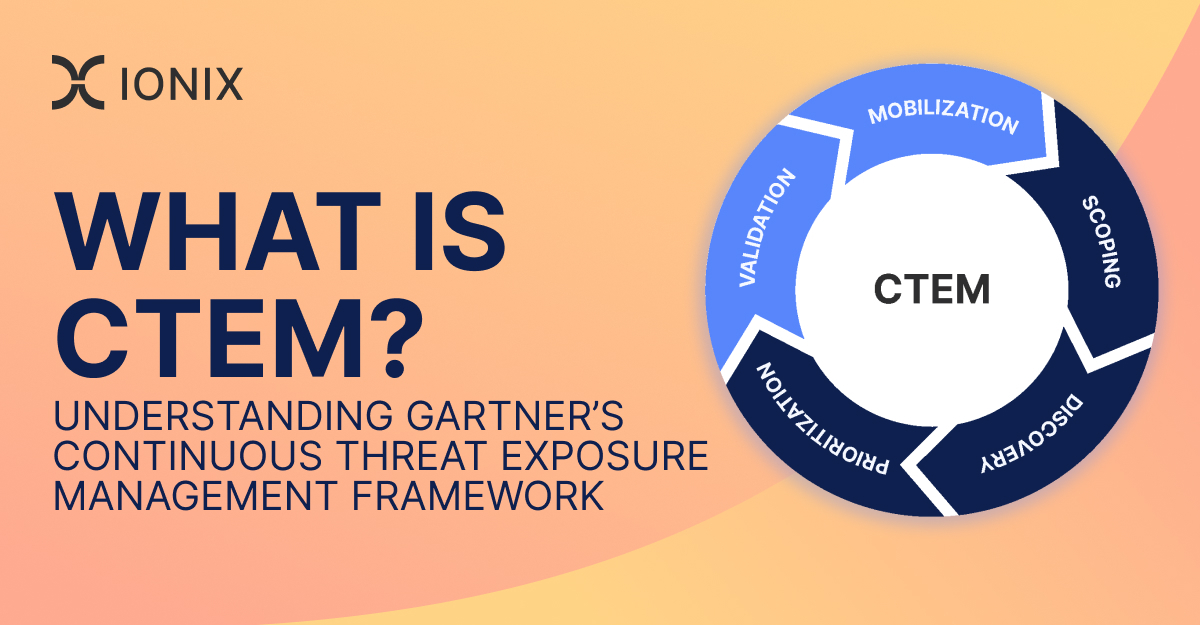
CTEM in Practice: Prioritization, Validation, and Outcomes That Matter
Cybersecurity teams increasingly want to move beyond looking at threats and vulnerabilities in isolation. It’s not only about what could go wrong (vulnerabilities) or who might attack (threats), but where they intersect in your actual environment to create real, exploitable exposure.
Which exposures truly matter? Can attackers exploit them? Are our defenses effective?
Continuous Threat Exposure -
Microsoft Office Zero-Day (CVE-2026-21509) – Emergency Patch Issued for Active Exploitation
Microsoft on Monday issued out-of-band security patches for a high-severity Microsoft Office zero-day vulnerability exploited in attacks.
The vulnerability, tracked as CVE-2026-21509, carries a CVSS score of 7.8 out of 10.0. It has been described as a security feature bypass in Microsoft Office.
“Reliance on untrusted inputs in a security decision in Microsoft Office allows an unauthorized -
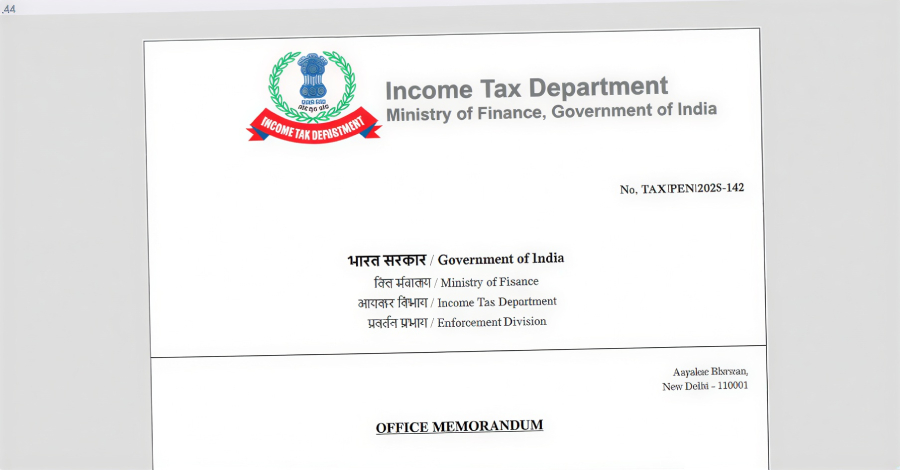
Indian Users Targeted in Tax Phishing Campaign Delivering Blackmoon Malware
Cybersecurity researchers have discovered an ongoing campaign that’s targeting Indian users with a multi-stage backdoor as part of a suspected cyber espionage campaign.
The activity, per the eSentire Threat Response Unit (TRU), involves using phishing emails impersonating the Income Tax Department of India to trick victims into downloading a malicious archive, ultimately granting the threat -

Malicious VS Code AI Extensions with 1.5 Million Installs Steal Developer Source Code
Cybersecurity researchers have discovered two malicious Microsoft Visual Studio Code (VS Code) extensions that are advertised as artificial intelligence (AI)-powered coding assistants, but also harbor covert functionality to siphon developer data to China-based servers.
The extensions, which have 1.5 million combined installs and are still available for download from the official Visual Studio -

⚡ Weekly Recap: Firewall Flaws, AI-Built Malware, Browser Traps, Critical CVEs & More
Security failures rarely arrive loudly. They slip in through trusted tools, half-fixed problems, and habits people stop questioning. This week’s recap shows that pattern clearly.
Attackers are moving faster than defenses, mixing old tricks with new paths. “Patched” no longer means safe, and every day, software keeps becoming the entry point.
What follows is a set of small but telling signals. -

Winning Against AI-Based Attacks Requires a Combined Defensive Approach
If there’s a constant in cybersecurity, it’s that adversaries are always innovating. The rise of offensive AI is transforming attack strategies and making them harder to detect. Google’s Threat Intelligence Group, recently reported on adversaries using Large Language Models (LLMs) to both conceal code and generate malicious scripts on the fly, letting malware shape-shift in real-time to evade -

Konni Hackers Deploy AI-Generated PowerShell Backdoor Against Blockchain Developers
The North Korean threat actor known as Konni has been observed using PowerShell malware generated using artificial intelligence (AI) tools to target developers and engineering teams in the blockchain sector.
The phishing campaign has targeted Japan, Australia, and India, highlighting the adversary’s expansion of the targeting scope beyond South Korea, Russia, Ukraine, and European nations, Check