

Free news: Dawn Rasmussen, Democratic candidate for Oregon’s 2nd Congressional District, announced today, March 2, the addition of Dan Ruby as senior strategy advisor, continuing the expansion of her campaign leadership team and deepening outreach across Southern Oregon.
Author: Robert Timlick
-

New Chrome Vulnerability Let Malicious Extensions Escalate Privileges via Gemini Panel
Cybersecurity researchers have disclosed details of a now-patched security flaw in Google Chrome that could have permitted attackers to escalate privileges and gain access to local files on the system.
The vulnerability, tracked as CVE-2026-0628 (CVSS score: 8.8), has been described as a case of insufficient policy enforcement in the WebView tag. It was patched by Google in early January 2026 -
⚡ Weekly Recap: SD-WAN 0-Day, Critical CVEs, Telegram Probe, Smart TV Proxy SDK and More
This week is not about one big event. It shows where things are moving. Network systems, cloud setups, AI tools, and common apps are all being pushed in different ways. Small gaps in access control, exposed keys, and normal features are being used as entry points.
The pattern becomes clear only when you see everything together. Faster scans, smarter misuse of trusted services, and steady -
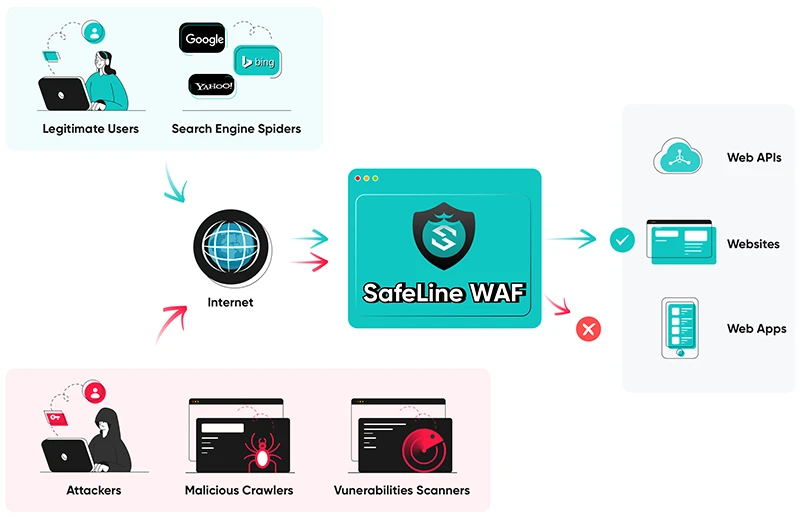
How to Protect Your SaaS from Bot Attacks with SafeLine WAF
Most SaaS teams remember the day their user traffic started growing fast. Few notice the day bots started targeting them.
On paper, everything looks great: more sign-ups, more sessions, more API calls. But in reality, something feels off:Sign-ups increase, but users aren’t activating.
Server costs rise faster than revenue.
Logs are filled with repeated requests from strange user agents.If
-

APT28 Tied to CVE-2026-21513 MSHTML 0-Day Exploited Before Feb 2026 Patch Tuesday
A recently disclosed security flaw patched by Microsoft may have been exploited by the Russia-linked state-sponsored threat actor known as APT28, according to new findings from Akamai.
The vulnerability in question is CVE-2026-21513 (CVSS score: 8.8), a high-severity security feature bypass affecting the MSHTML Framework.
“Protection mechanism failure in MSHTML Framework allows an unauthorized -

North Korean Hackers Publish 26 npm Packages Hiding Pastebin C2 for Cross-Platform RAT
Cybersecurity researchers have disclosed a new iteration of the ongoing Contagious Interview campaign, where the North Korean threat actors have published a set of 26 malicious packages to the npm registry.
The packages masquerade as developer tools, but contain functionality to extract the actual command-and-control (C2) by using seemingly harmless Pastebin content as a dead drop resolver and -

ClawJacked Flaw Lets Malicious Sites Hijack Local OpenClaw AI Agents via WebSocket
OpenClaw has fixed a high-severity security issue that, if successfully exploited, could have allowed a malicious website to connect to a locally running artificial intelligence (AI) agent and take over control.
“Our vulnerability lives in the core system itself – no plugins, no marketplace, no user-installed extensions – just the bare OpenClaw gateway, running exactly as documented,” Oasis -

The Server Refresh Deadline: Why Windows Server 2016’s End of Support Should Drive Your Cloud Migration Plan
Time moves fast in the world of technology, and operating systems that once felt cutting-edge are becoming obsolete. With Microsoft having set the deadline for Windows Server 2016 End of Support to January 12, 2027, the clock is ticking for businesses that use this operating system.
Once support ends, Microsoft will no longer provide security updates or patches, leaving your business systems vulnerable. It’s not just about missing new features, continuing to use unsupported software significantly increases the risk of cyberattacks.
If your systems are still on Windows Server 2016, now is the time to plan your upgrade. With about a year until support ends, waiting until the last minute can lead to rushed decisions and higher costs.
Understanding the Security Implications
When support ends, the protection provided by security updates and patches disappears, as Microsoft will no longer fix bugs or vulnerabilities. Hackers often target unsupported systems, knowing any new exploits will go unpatched and open the door to attacks.
Legacy systems put IT administrators in a tough spot. Without vendor support, defending against threats becomes nearly impossible, compliance with industry regulations is compromised, and running unsupported software can lead to failed audits.
Additionally, customer data on servers running this operating system is vulnerable to theft and ransomware. The cost of a breach far outweighs the cost of upgrading. Using unsupported systems is like driving a faulty, uninsured car, failure is inevitable. The question isn’t if it will happen, but when.
The Case for Cloud Migration
With the end-of-support deadline approaching, businesses face a choice: purchase new physical servers that run the latest Windows Server editions, or migrate their infrastructure to the cloud. Investing in new hardware and software comes with substantial upfront costs and locks you into that capacity for five years, the typical span of mainstream support for Windows Server, plus an additional five years for Long-Term Servicing Channel (LTSC) releases.
On the other hand, a cloud migration strategy offers a more flexible alternative. Platforms such as Microsoft Azure or Amazon’s AWS cloud services, allow you to select virtualized computing resources such as servers and storage, which can scale as needed. On these platforms, you only pay for what you use, transforming your IT spending from capital expenditure to operating expense.
The cloud provides greater reliability and disaster recovery, eliminating concerns about hard drive failures in your server rack. Cloud providers handle the management and upgrades of the physical infrastructure, freeing your IT team to focus on driving business growth.
Analyze Your Current Workloads
Before moving to the cloud, it’s essential to know what you’re working with. Take inventory of all applications running on your Windows Server 2016 machines. While some are cloud-ready, others may need updates or reconfiguration.
Identify which workloads are critical to your daily operations and prioritize them in your migration plan. You may also discover applications you no longer need, making this an ideal time to streamline and clean up your environment.
When in doubt, consult with your software vendors to confirm compatibility, as they might have specific requirements for newer operating systems. Gathering this information early helps you to avoid surprises during the actual migration.
Create a Phased Migration Plan
When transitioning to a new system, moving everything at once is risky, ‘big bang’ migrations often cause downtime and confusion. The best approach is a phased migration to manage risk effectively. Begin with low-impact workloads to test the process, then proceed to medium and high-impact workloads once you’re confident everything runs smoothly.
Set a realistic timeline that beats the server upgrade deadline by a significant margin, and then work backward from the end-of-support date. This approach allows for plenty of buffer time for testing and troubleshooting, since rushing migrations often results in mistakes and security gaps.
Communicate the schedule to your staff clearly, they need to know when maintenance windows will occur, so that they can also manage their workflows effectively. Managing expectations is just as important as managing servers, and you don’t want to get in your own way. A smooth transition requires everyone to be informed and on the same page.
Test and Validate
Once you migrate a workload, it’s essential to verify that it functions as expected. Key questions to ask include: Does the application launch correctly? Can users access their data without permission errors? Testing is the most critical phase of any migration.
After migration, run extensive performance benchmarks to compare the new system with the old one. The cloud should offer equal or better speed, and if things are slow, you might need to adjust resources. Optimization will be a normal part of the migration process, until you find the perfect balance that works for you.
The summarized steps for a successful migration include:
- Audit all current hardware and software assets
- Choose between an on-premise upgrade or a cloud migration
- Back up all data securely before making changes
- Test applications thoroughly in the new environment
- Do not declare victory until users confirm everything is working
The Cost of Doing Nothing
Ignoring the end of support deadline is not a viable strategy. Some businesses hope to delay until the last minute and then rush a migration, but this is extremely risky. Cybercriminals constantly target outdated, vulnerable systems, often using automated bots to scan for weaknesses.
If you continue using Windows Server 2016 past the extended support dates, you may need to purchase ‘Extended Security Updates.’ While Microsoft offers this service, it is extremely costly, and the price rises each year, making it more a penalty for delay than a sustainable long-term solution.
Act Now to Modernize Your Infrastructure
If your business still relies on Windows Server 2016, the end of support marks a pivotal moment for your IT strategy, upgrading your technology stack is no longer optional. Whether you choose new hardware or a cloud solution, decisive action is required.
Take this opportunity to enhance your legacy system’s security and efficiency, ensuring your modern business runs on a modern infrastructure. Don’t let time compromise your data’s safety, plan your migration today and safeguard your future.
Concerned about the approaching Windows Server 2016 end-of-support deadline? We specialize in smooth migrations to the cloud and modern server environments. Let us take care of the technical heavy lifting, contact us today to begin your upgrade plan.
—
This Article has been Republished with Permission from The Technology Press.
-
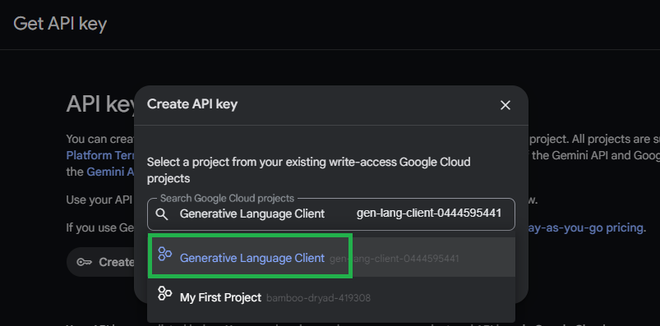
Thousands of Public Google Cloud API Keys Exposed with Gemini Access After API Enablement
New research has found that Google Cloud API keys, typically designated as project identifiers for billing purposes, could be abused to authenticate to sensitive Gemini endpoints and access private data.
The findings come from Truffle Security, which discovered nearly 3,000 Google API keys (identified by the prefix “AIza”) embedded in client-side code to provide Google-related services like -

Pentagon Designates Anthropic Supply Chain Risk Over AI Military Dispute
Anthropic on Friday hit back after U.S. Secretary of Defense Pete Hegseth directed the Pentagon to designate the artificial intelligence (AI) upstart as a “supply chain risk.”
“This action follows months of negotiations that reached an impasse over two exceptions we requested to the lawful use of our AI model, Claude: the mass domestic surveillance of Americans and fully autonomous weapons,” the