

GORGE — Thousands of demonstrators across the Columbia River Gorge joined over 8 million nationwide on March 28 for a third “No Kings” day of action, which set records as the largest single-day protest in U.S. history.
Author: Robert Timlick
-
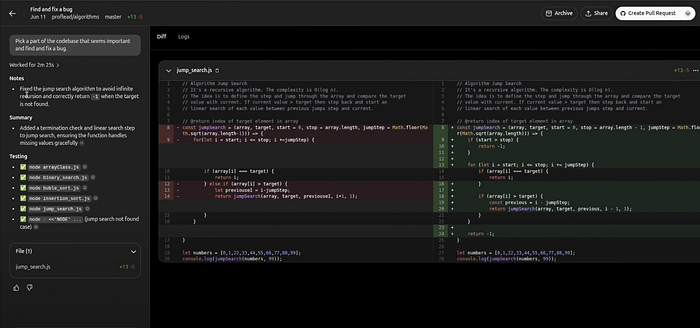
OpenAI Patches ChatGPT Data Exfiltration Flaw and Codex GitHub Token Vulnerability
A previously unknown vulnerability in OpenAI ChatGPT allowed sensitive conversation data to be exfiltrated without user knowledge or consent, according to new findings from Check Point.
“A single malicious prompt could turn an otherwise ordinary conversation into a covert exfiltration channel, leaking user messages, uploaded files, and other sensitive content,” the cybersecurity company said in -

‘No Kings’ photo slideshow: Goldendale
GOLDENDALE — About 80 people occupied the four corners near United Methodist Church in Goldendale on March 28 for a “No Kings” demonstration in protest of the Trump administration. -

‘No Kings’ photo slideshow: Hood River
HOOD RIVER — Roughly 1,000 people gathered in Hood River on March 28 for a third “No Kings” rally in protest of the Trump administration. Demonstrators, many wielding signs or wearing costumes, assembled at the waterfront, before marching downtown to… -
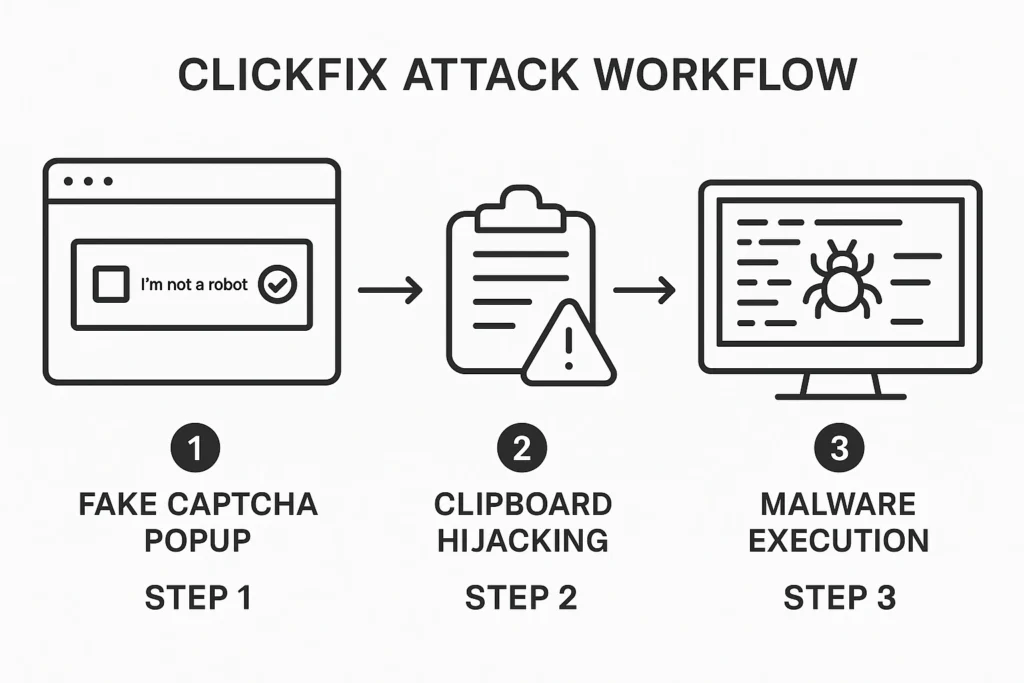
DeepLoad Malware Uses ClickFix and WMI Persistence to Steal Browser Credentials
A new campaign has leveraged the ClickFix social engineering tactic as a way to distribute a previously undocumented malware loader referred to as DeepLoad.
“It likely uses AI-assisted obfuscation and process injection to evade static scanning, while credential theft starts immediately and captures passwords and sessions even if the primary loader is blocked,” ReliaQuest researchers Thassanai -

⚡ Weekly Recap: Telecom Sleeper Cells, LLM Jailbreaks, Apple Forces U.K. Age Checks and More
Some weeks are loud. This one was quieter but not in a good way. Long-running operations are finally hitting courtrooms, old attack methods are showing up in new places, and research that stopped being theoretical right around the time defenders stopped paying attention.
There’s a bit of everything this week. Persistence plays, legal wins, influence ops, and at least one thing that looks boring -
Zero-Trust for Small Business: No Longer Just for Tech Giants
Think about your office building. You probably have a locked front door, security staff, and maybe even biometric checks. But once someone is inside, can they wander into the supply closet, the file room, or the CFO’s office? In a traditional network, digital access works the same way, a single login often grants broad access to everything. The Zero Trust security model challenges this approach, treating trust itself as a vulnerability.
For years, Zero Trust seemed too complex or expensive for smaller teams. But the landscape has changed. With cloud tools and remote work, the old network perimeter no longer exists. Your data is everywhere, and attackers know it.
Today, Zero Trust is a practical, scalable defense, essential for any organization, not just large corporations. It’s about verifying every access attempt, no matter where it comes from. It’s less about building taller walls and more about placing checkpoints at every door inside your digital building.
Why the Traditional Trust-Based Security Model No Longer Works
The old security model assumed that anyone inside the network was automatically safe and that’s a risky assumption. It doesn’t account for stolen credentials, malicious insiders, or malware that has already bypassed the perimeter. Once inside, attackers can move laterally with little resistance.
Zero Trust flips this idea on its head. Every access request is treated as if it comes from an untrusted source. This approach directly addresses today’s most common attack patterns, such as phishing, which accounts for up to 90% of successful cyberattacks. Zero Trust shifts the focus from protecting a location to protecting individual resources.
The Pillars of Zero Trust: Least Privilege and Micro-segmentation
While Zero Trust frameworks can vary in detail, two key principles stand out, especially for network security.
The first is least privilege access. Users and devices should receive only the minimum access needed to do their jobs, and only for the time they need it. Your marketing intern doesn’t need access to the financial server, and your accounting software shouldn’t communicate with the design team’s workstations.
The second is micro-segmentation, which creates secure, isolated compartments within your network. If a breach occurs in one segment, like your guest Wi-Fi, it can’t spread to critical systems such as your primary data servers or point-of-sale systems. Micro-segmentation helps contain damage, limiting a breach to a single area.
Practical First Steps for a Small Business
You do not need to overhaul everything overnight. You can use the following simple steps as a start:
- Secure your most critical data and systems: Where does your customer data live? Your financial records? Your intellectual property? Begin applying Zero Trust principles there first.
- Enable multi-factor authentication (MFA) on every account: This is the single most effective step toward “never trust, always verify.” MFA ensures that a stolen password is not enough to gain access.
- Segment networks: Move your most critical systems onto a separate, tightly controlled Wi-Fi network separate from other networks, such as a Guest Wi-Fi network.
The Tools That Make It Manageable
Modern cloud services are designed around Zero Trust principles, making them a powerful ally in your security journey. Start by configuring the following settings:
- Identity and access management: On platforms like Google Workspace and Microsoft 365, set up conditional access policies that verify factors such as the user’s location, the time of access, and device health before allowing entry.
- Consider a Secure Access Service Edge (SASE) solution: These cloud-based services combine network security, such as firewalls, with wide-area networking to provide enterprise-grade protection directly to users or devices, no matter where they are located.
Transform Your Security Posture
Adopting Zero Trust isn’t just a technical change, it’s a cultural one. It shifts the mindset from broad trust to continuous monitoring and validation. Your teams may initially find the extra steps frustrating, but explaining clearly why these measures protect both their work and the company will help them embrace the approach.
Be sure to document your access policies by assessing who needs access to what to do their job. Review permissions quarterly and update them whenever roles change. The goal is to foster a culture of ongoing governance that keeps Zero Trust effective and sustainable.
Your Actionable Path Forward
Start with an audit to map where your critical data flows and who has access to it. While doing so, enforce MFA across the board, segment your network beginning with the highest-value assets, and take full advantage of the security features included in your cloud subscriptions.
Remember, achieving Zero Trust is a continuous journey, not a one-time project. Make it part of your overall strategy so it can grow with your business and provide a flexible defense in a world where traditional network perimeters are disappearing.
The goal isn’t to create rigid barriers, but smart, adaptive ones that protect your business without slowing it down. Contact us today to schedule a Zero Trust readiness assessment for your business.
—
This Article has been Republished with Permission from The Technology Press.
-

The State of Secrets Sprawl 2026: 9 Takeaways for CISOs
Secrets sprawl isn’t slowing down: in 2025, it accelerated faster than most security teams anticipated. GitGuardian’s State of Secrets Sprawl 2026 report analyzed billions of commits across public GitHub and uncovered 29 million new hardcoded secrets in 2025 alone, a 34% increase year over year and the largest single-year jump ever recorded.
This year’s findings reveal three core trends: AI has -

Russian CTRL Toolkit Delivered via Malicious LNK Files Hijacks RDP via FRP Tunnels
Cybersecurity researchers have discovered a remote access toolkit of Russian-origin that’s distributed via malicious Windows shortcut (LNK) files that are disguised as private key folders.
The CTRL toolkit, according to Censys, is custom-built using .NET and includes various executables” to facilitate credential phishing, keylogging, Remote Desktop Protocol (RDP) hijacking, and reverse tunneling -
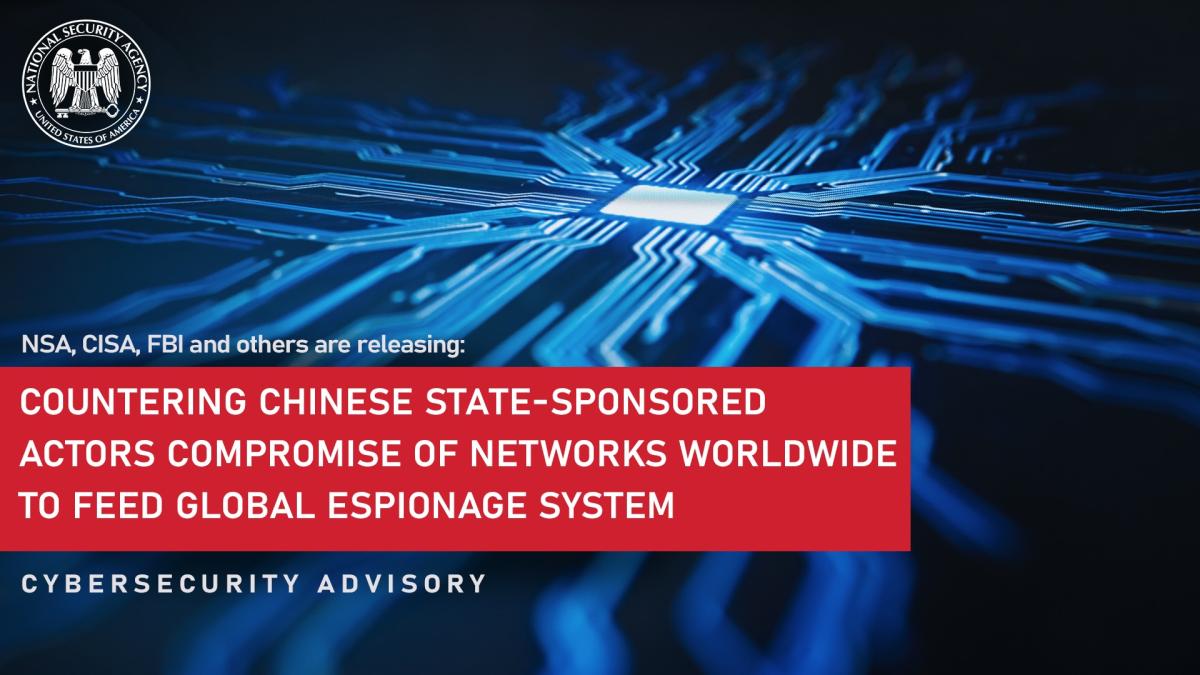
Three China-Linked Clusters Target Southeast Asian Government in 2025 Cyber Campaign
Three threat activity clusters aligned with China have targeted a government organization in Southeast Asia as part of what has been described as a “complex and well-resourced operation.”
The campaigns have led to the deployment of various malware families, including HIUPAN (aka USBFect, MISTCLOAK, or U2DiskWatch), PUBLOAD, EggStremeFuel (aka RawCookie), EggStremeLoader (aka Gorem RAT), MASOL