Author: Robert Timlick

  • APT-C-60 Hackers Exploit StatCounter and Bitbucket in SpyGlace Malware Campaign

    APT-C-60 Hackers Exploit StatCounter and Bitbucket in SpyGlace Malware Campaign

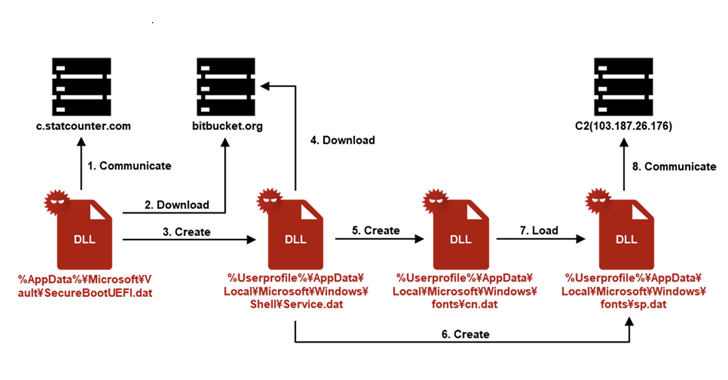
    The threat actor known as APT-C-60 has been linked to a cyber attack targeting an unnamed organization in Japan that used a job application-themed lure to deliver the SpyGlace backdoor.
    That’s according to findings from JPCERT/CC, which said the intrusion leveraged legitimate services like Google Drive, Bitbucket, and StatCounter. The attack was carried out around August 2024.
    “In this attack,
  • INTERPOL Busts African Cybercrime: 1,006 Arrests, 134,089 Malicious Networks Dismantled

    INTERPOL Busts African Cybercrime: 1,006 Arrests, 134,089 Malicious Networks Dismantled

    An INTERPOL-led operation has led to the arrest of 1,006 suspects across 19 African countries and the takedown of 134,089 malicious infrastructures and networks as part of a coordinated effort to disrupt cybercrime in the continent.
    Dubbed Serengeti, the law enforcement exercise took place between September 2 and October 31, 2024, and targeted criminals behind ransomware, business email
  • Matrix Botnet Exploits IoT Devices in Widespread DDoS Botnet Campaign

    Matrix Botnet Exploits IoT Devices in Widespread DDoS Botnet Campaign

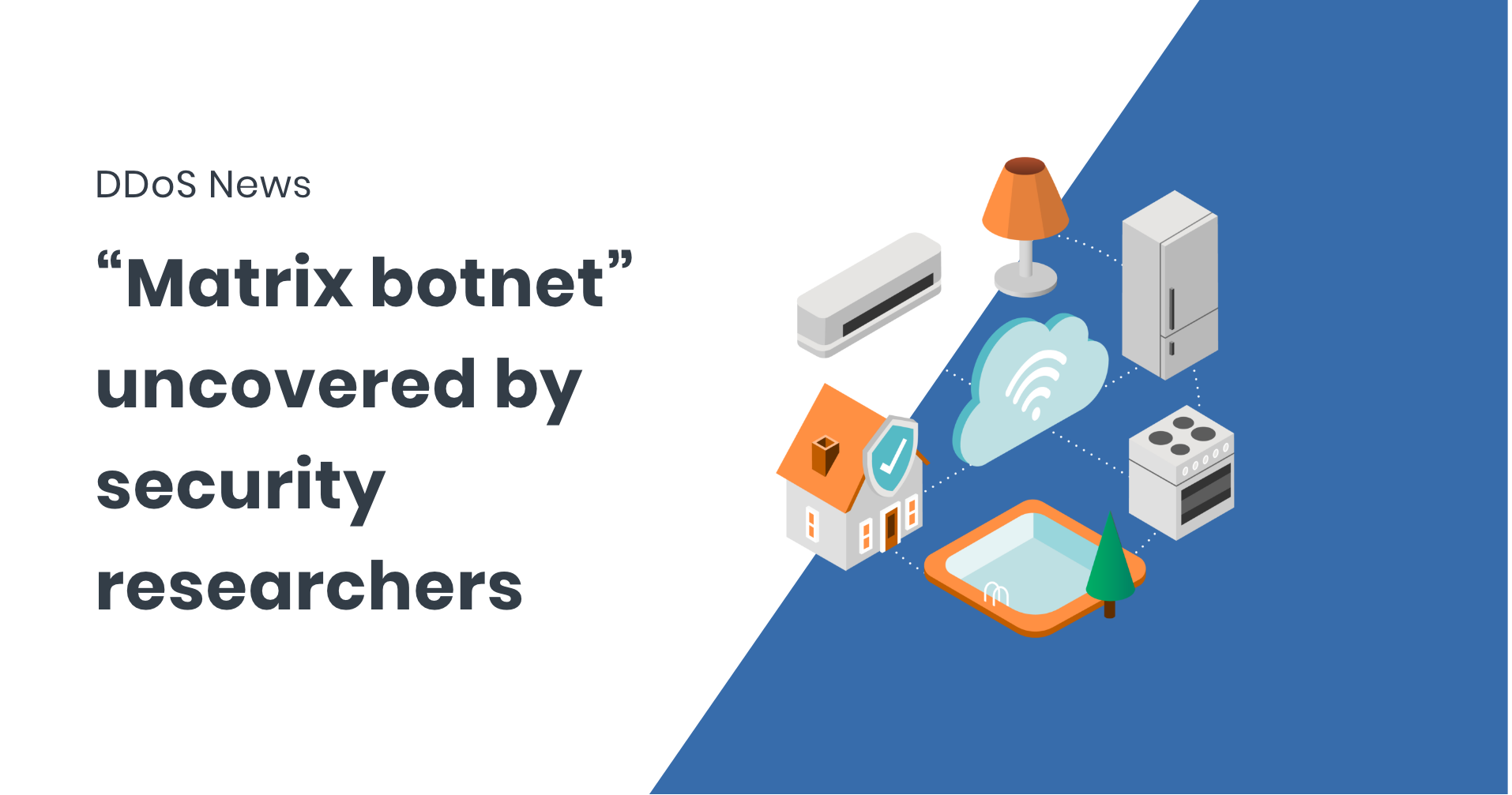
    A threat actor named Matrix has been linked to a widespread distributed denial-of-service (DoD) campaign that leverages vulnerabilities and misconfigurations in Internet of Things (IoT) devices to co-opt them into a disruptive botnet.
    “This operation serves as a comprehensive one-stop shop for scanning, exploiting vulnerabilities, deploying malware, and setting up shop kits, showcasing a
  • Top Technologies Transforming Customer Service Today    

    Top Technologies Transforming Customer Service Today    

    Customer service is at the heart of any successful business. Customer expectations continue to evolve. Companies must evolve strategies and tools used to meet those expectations. 

    55% of customers like self-serve customer service over speaking to a representative.

    Technology has become a game-changer in this regard. It offers innovative solutions that improve efficiency, personalization, and satisfaction. So, what kinds of technology can boost your customer experience? Below, we’ll explore several options transforming customer service today as well as explain how they can help your company stay competitive.

    1. Artificial Intelligence (AI) and Machine Learning

    AI and Machine Learning are leading the charge in revolutionizing customer service. These technologies are enhancing everything from customer interactions to backend processes. They’re making service more efficient and personalized.

    • AI-Powered Chatbots: Chatbots have become a staple in customer service. AI-powered chatbots can understand and respond to natural language. They make interactions feel more human-like. They can also handle a wide range of tasks.
    • Predictive Analytics: Machine Learning enables businesses to predict customer behavior and needs. ML algorithms can forecast future issues, preferences, or inquiries. This allows companies to proactively address customer needs.
    • AI-Driven Personalization: AI helps businesses offer personalized experiences at scale. By analyzing customer data, AI can tailor recommendations and communications. This level of personalization increases conversion rates and customer retention.

    2. Omnichannel Support

    Customers today expect seamless support across several channels. This includes email, social media, phone, and in-person interactions. Omnichannel support ensures a consistent experience, regardless of the channel a customer chooses.

    • Unified Customer Profiles: A benefit of omnichannel support is maintaining unified customer profiles. All interactions get recorded in a central database. This provides a complete view of the customer’s history. It enables more informed and personalized help.
    • Consistent Experience Across Channels: Omnichannel support ensures a consistent experience. This is regardless of contact method. This consistency is crucial for building trust and satisfaction. It also allows customers to switch between channels easily, enhancing their experience.
    • Real-Time Channel Switching: Advanced omnichannel systems allow real-time switching between channels. A customer might start an inquiry on social media. Then easily continue it over chat. This flexibility improves satisfaction and efficiency.

    3. Cloud-Based Customer Service Platforms

    Cloud-based customer service platforms are another technology transforming the customer service landscape. They offer flexibility, scalability, and accessibility. In ways that traditional on-premise systems cannot match.

    • Scalability and Flexibility: Cloud-based platforms allow businesses to scale their customer service. This is particularly useful for companies that experience seasonal fluctuations in inquiries. Cloud systems make it easy to add or remove agents as well as adjust resources without significant investments.
    • Remote Access and Collaboration: The cloud enables remote access. This allows customer service teams to work from anywhere. Cloud-based platforms also facilitate collaboration. They allow several agents to work on the same customer case in real time.
    • Integration with Other Tools: Cloud-based customer service platforms can integrate with other tools. This integration ensures that all customer data is centralized. That makes it easier to manage and analyze. It also allows for more seamless workflows.

    4. Self-Service Technologies

    Self-service technologies empower customers to find answers and resolve issues on their own. All without the need to contact a customer service agent. This improves customer satisfaction. It also reduces the workload on service teams.

    • Knowledge Bases and FAQs: Online knowledge bases and FAQs are common self-service tools. They provide customers with easy access to information and solutions. A well-maintained knowledge base can significantly reduce the number of support inquiries
    • Interactive Voice Response (IVR) Systems: IVR systems allow customers to navigate a menu of options. They can often resolve their issues using their phone’s keypad or voice commands. Modern IVR systems are becoming increasingly sophisticated. They allow customers to check account balances, schedule appointments, and more.
    • Customer Portals: Customer portals enable customers to manage their accounts and access support resources and interact with your company. They enable 24/7 self-service management of many account tasks.

    5. Data Analytics and Customer Insights

    Data analytics is another powerful tool transforming customer service. By analyzing customer data, businesses can gain valuable insights. These insights include behavior, preferences, and needs. This enables companies to provide more targeted and effective service.

    • Customer Sentiment Analysis: Sentiment analysis uses AI to analyze customer feedback. Such as reviews, surveys, and social media posts. This allows businesses to identify areas of concern as well as respond to issues before they escalate.
    • Customer Journey Mapping: Data analytics allows businesses to map out the customer journey. It helps in identifying key touchpoints and potential pain points. Using this, businesses can improve customer experience and reduce friction.
    • Predictive Customer Support: Companies can use predictive analytics to anticipate customer needs. By analyzing historical data, businesses can identify patterns. They can find trends to show when a customer is likely to need support. This allows companies to offer proactive help.

    6. Robotic Process Automation (RPA)

    Robotic Process Automation (RPA) is another technology making waves in customer service. RPA involves the use of software robots to automate repetitive, rule-based tasks. This frees up human agents to focus on more complex and value-added activities.

    • Automating Routine Tasks: RPA can automate routine tasks. Such as data entry, updating customer records, or processing refunds. This speeds up these processes. It also reduces errors. This leads to faster and more reliable service.
    • Enhancing Customer Interactions: RPA can enhance customer interactions. It provides agents with real-time information and recommendations. This allows agents to provide more personalized and informed help.
    • Reducing Response Times: RPA can significantly reduce response times. Customers can receive quicker resolutions to their issues. This leads to higher satisfaction and loyalty. 

    Let Us Help You with a Technology Roadmap

    The technologies transforming customer service today offer many benefits. But it’s not always easy to know where or how to get started. Our team of IT consultants can help you build a tech roadmap that makes sense. Both for your business goals and budget.


    Reach out today to schedule a chat.

    Featured Image Credit

    This Article has been Republished with Permission from The Technology Press.

  • 5 Scattered Spider Gang Members Indicted in Multi-Million Dollar Cybercrime Scheme

    5 Scattered Spider Gang Members Indicted in Multi-Million Dollar Cybercrime Scheme

    Five alleged members of the infamous Scattered Spider cybercrime crew have been indicted in the U.S. for targeting employees of companies across the country using social engineering techniques to harvest credentials and using them to gain unauthorized access to sensitive data and break into crypto accounts to steal digital assets worth millions of dollars.
    All of the accused parties have been
  • Google’s AI-Powered OSS-Fuzz Tool Finds 26 Vulnerabilities in Open-Source Projects

    Google’s AI-Powered OSS-Fuzz Tool Finds 26 Vulnerabilities in Open-Source Projects

    Google has revealed that its AI-powered fuzzing tool, OSS-Fuzz, has been used to help identify 26 vulnerabilities in various open-source code repositories, including a medium-severity flaw in the OpenSSL cryptographic library.
    “These particular vulnerabilities represent a milestone for automated vulnerability finding: each was found with AI, using AI-generated and enhanced fuzz targets,”
  • NodeStealer Malware Targets Facebook Ad Accounts, Harvesting Credit Card Data

    NodeStealer Malware Targets Facebook Ad Accounts, Harvesting Credit Card Data

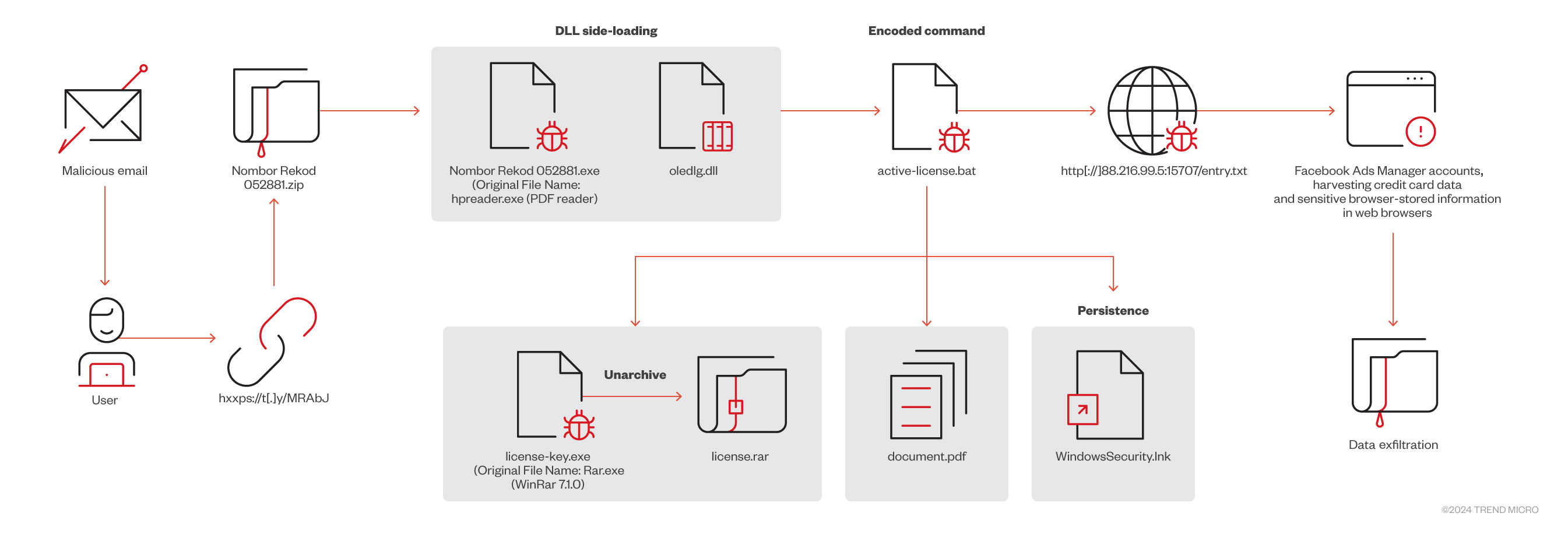
    Threat hunters are warning about an updated version of the Python-based NodeStealer that’s now equipped to extract more information from victims’ Facebook Ads Manager accounts and harvest credit card data stored in web browsers.
    “They collect budget details of Facebook Ads Manager accounts of their victims, which might be a gateway for Facebook malvertisement,” Netskope Threat Labs researcher
  • Ghost Tap: Hackers Exploiting NFCGate to Steal Funds via Mobile Payments

    Ghost Tap: Hackers Exploiting NFCGate to Steal Funds via Mobile Payments

    Threat actors are increasingly banking on a new technique that leverages near-field communication (NFC) to cash out victim’s funds at scale.
    The technique, codenamed Ghost Tap by ThreatFabric, enables cybercriminals to cash-out money from stolen credit cards linked to mobile payment services such as Google Pay or Apple Pay and relaying NFC traffic.
    “Criminals can now misuse Google Pay and Apple
  • Data Breach Damage Control: Avoid These Pitfalls

    Data Breach Damage Control: Avoid These Pitfalls

    Data breaches are an unfortunate reality for businesses of all sizes. When a breach occurs, the immediate response is critical. How a company manages the aftermath can significantly impact its reputation. As well as financial stability and legal standing.

    The average cost of a data breach has reached 4.88 million USD.

    Effective damage control requires a well-planned approach. But there are common pitfalls that can exacerbate the situation. This article will guide you through the key steps of data breach damage control. As well as highlight the pitfalls you should steer clear of to reduce the impact.

    Pitfall #1: Delayed Response

    One of the most critical mistakes a company can make after a data breach is delaying the response. The longer it takes to respond, the more damage can happen. A delayed response increases the risk of further data loss. It also erodes customer trust.

    Act Quickly

    The first step in damage control is to act quickly. As soon as you detect a breach, start your incident response plan. This should include containing the breach and assessing the extent of the damage. As well as notifying affected parties. The faster you act, the better your chances of mitigating the damage.

    Notify Stakeholders Promptly

    Informing stakeholders, including customers, employees, and partners, is crucial. Delays in notification can lead to confusion and panic. This makes the situation worse. Be transparent about three key things:

    • What happened
    • What data was compromised
    • What steps are being taken to address the issue

    This helps maintain trust and allows affected parties to take necessary precautions.

    Engage Legal and Regulatory Authorities

    Depending on the nature of the breach, you may need to notify regulatory authorities. Delaying this step can result in legal repercussions. Ensure you understand the legal requirements for breach notification. And that you follow them promptly.

    Pitfall #2: Inadequate Communication

    Communication is key during a data breach. But inadequate or unclear communication can hurt you. It leads to misunderstandings, frustration, and further reputational damage. How you communicate with stakeholders matters. It will set the tone for how they perceive your company during the crisis.

    Establish Clear Communication Channels

    Establish clear communication channels to keep stakeholders informed. This could include:

    • A dedicated hotline
    • Email updates
    • A section on your website with regular updates

    Ensure that communication is consistent, transparent, and accurate.

    Avoid Jargon and Technical Language

    When communicating with non-technical stakeholders, avoid using jargon. The goal is to make the information accessible and understandable. Clearly explain what happened, what steps are being taken, and what they need to do.

    Provide Regular Updates

    Keep stakeholders informed with regular updates as the situation evolves. Even if there is no new information. Providing regular updates reassures stakeholders that you are actively managing the situation.

    Pitfall #3: Failing to Contain the Breach

    Another critical mistake is failing to contain the breach quickly. Once your business detects a breach, take immediate action. This will help prevent further data loss. Failure to do so can result in more significant damage.

    Isolate the Affected Systems

    The first step in containing a breach is to isolate the affected systems. This may involve:

    • Disconnecting systems from the network
    • Disabling user accounts
    • Shutting down specific services

    The goal is to prevent the breach from spreading further.

    Assess the Scope of the Breach

    Once you contain the breach, assess the scope of the damage. Identify what data was accessed as well as how someone accessed it and the extent of the exposure. This information is crucial for informing stakeholders and determining the next steps.

    Deploy Remediation Measures

    After assessing the scope of the breach, deploy remediation measures. They should address the exploited vulnerabilities. Ensure that your company takes all necessary steps to prevent a recurrence.

    Pitfall #4: Neglecting Legal and Regulatory Requirements

    Ignoring legal and regulatory requirements can have severe consequences. Many jurisdictions have strict data protection laws. These laws dictate how businesses must respond to data breaches. Failing to comply can result in significant fines and legal action.

    Understand Your Legal Obligations

    Familiarize yourself with the legal and regulatory requirements in your jurisdiction. This includes understanding the timelines for breach notification. As well as the specific information your company must provide and who you must notify.

    Document Your Response

    Documenting your response to a data breach is crucial for demonstrating compliance. This documentation should include:

    • Timeline of events
    • Steps taken to contain the breach
    • Communication with stakeholders

    Proper documentation can protect your company in the event of legal scrutiny.

    Pitfall #5: Overlooking the Human Element

    The human element is often overlooked in data breach response. Human error can contribute to the breach. The emotional impact on employees and customers can be significant. Addressing the human element is essential for a comprehensive response.

    Support Affected Employees

    Provide employees with support if the breach compromised their data. This could include:

    • Offering credit monitoring services
    • Providing clear communication
    • Addressing any concerns they may have

    Supporting your employees helps maintain morale and trust within the organization.

    Address Customer Concerns

    Customers may be anxious and concerned after a data breach. Address their concerns promptly and empathetically. Provide them with clear instructions on steps they can take to protect themselves. Offer help where possible. A compassionate response can help maintain customer loyalty.

    Learn from the Incident

    Finally, use the breach as a learning opportunity. Conduct a thorough post-incident review. Identify what went wrong and how it can be prevented in the future. Deploy training and awareness programs to educate employees on data security best practices.

    Manage Data Breaches with Help from a Trusted IT Professional

    Data breaches are challenging. How your company responds can make a significant difference. Do you need IT support that has your back? We can help you both prevent and manage breaches to reduce the damage.

    Reach out today to schedule a chat about cybersecurity and business continuity

    Featured Image Credit

    This Article has been Republished with Permission from The Technology Press.
  • NHIs Are the Future of Cybersecurity: Meet NHIDR

    NHIs Are the Future of Cybersecurity: Meet NHIDR

    The frequency and sophistication of modern cyberattacks are surging, making it increasingly challenging for organizations to protect sensitive data and critical infrastructure. When attackers compromise a non-human identity (NHI), they can swiftly exploit it to move laterally across systems, identifying vulnerabilities and compromising additional NHIs in minutes. While organizations often take