

FREE NEWS: Braver Angels Columbia Gorge Alliance holds its next meeting Nov. 6 at UCC Congregational Church, 111 E. Fifth St., The Dalles, from 6-7:30 p.m.
Author: Robert Timlick
-

Meta Rolls Out New Tools to Protect WhatsApp and Messenger Users from Scams
Meta on Tuesday said it’s launching new tools to protect Messenger and WhatsApp users from potential scams.
To that end, the company said it’s introducing new warnings on WhatsApp when users attempt to share their screen with an unknown contact during a video call so as to prevent them from giving away sensitive information like bank details or verification codes.
On Messenger, users can opt to -

Securing AI to Benefit from AI
Artificial intelligence (AI) holds tremendous promise for improving cyber defense and making the lives of security practitioners easier. It can help teams cut through alert fatigue, spot patterns faster, and bring a level of scale that human analysts alone can’t match. But realizing that potential depends on securing the systems that make it possible.
Every organization experimenting with AI in -
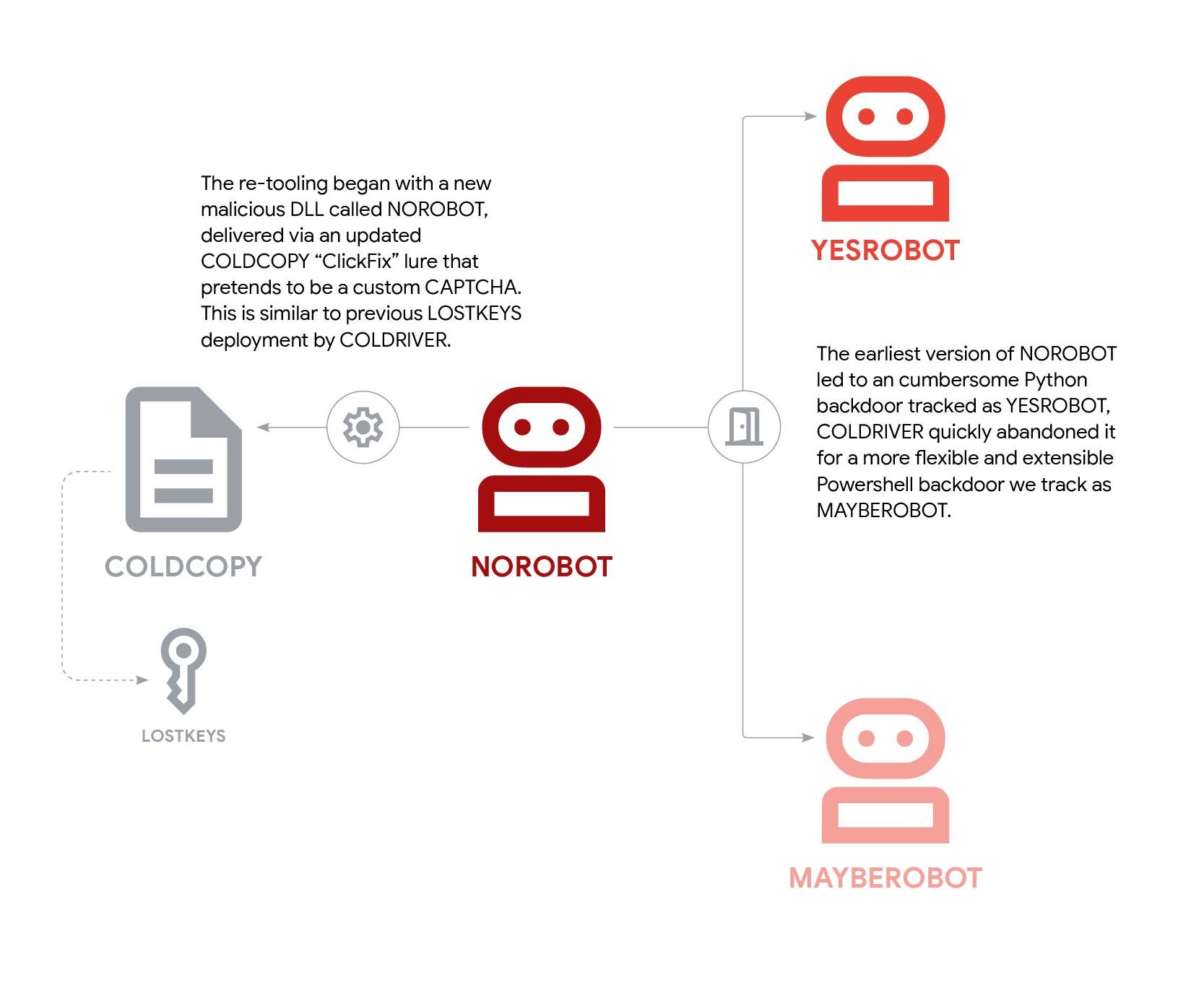
Google Identifies Three New Russian Malware Families Created by COLDRIVER Hackers
A new malware attributed to the Russia-linked hacking group known as COLDRIVER has undergone numerous developmental iterations since May 2025, suggesting an increased “operations tempo” from the threat actor.
The findings come from Google Threat Intelligence Group (GTIG), which said the state-sponsored hacking crew has rapidly refined and retooled its malware arsenal merely five days following -

Oregon Journalism Project: Gas Tax Referral Campaign kicks off
This story was produced by the Oregon Journalism Project (oregonjournalismproject.org), a nonprofit investigative newsroom for the state of Oregon. -
Five New Exploited Bugs Land in CISA’s Catalog — Oracle and Microsoft Among Targets
The U.S. Cybersecurity and Infrastructure Security Agency (CISA) on Monday added five security flaws to its Known Exploited Vulnerabilities (KEV) Catalog, officially confirming a recently disclosed vulnerability impacting Oracle E-Business Suite (EBS) has been weaponized in real-world attacks.
The security defect in question is CVE-2025-61884 (CVSS score: 7.5), which has been described as a -

From Oregon Journalism Project: Gas Tax Referral Campaign Kicks Off
Leaders of the effort will have little time and, potentially, little money. -

⚡ Weekly Recap: F5 Breached, Linux Rootkits, Pixnapping Attack, EtherHiding & More
It’s easy to think your defenses are solid — until you realize attackers have been inside them the whole time. The latest incidents show that long-term, silent breaches are becoming the norm. The best defense now isn’t just patching fast, but watching smarter and staying alert for what you don’t expect.
Here’s a quick look at this week’s top threats, new tactics, and security stories shaping -

Lost Without a Tech Plan? Create Your Small Business IT Roadmap for Explosive Growth
Do you ever feel like your technology setup grew without you really noticing? One day you had a laptop and a few software licenses, and now you’re juggling dozens of tools, some of which you don’t even remember signing up for.
A recent SaaS management index found that small businesses with under 500 employees use, on average, 172 cloud-based apps. And many don’t have a formal IT department to keep it all straight.
That’s a lot of moving parts. Without a plan, it’s easy for those parts to work against each other. Systems don’t talk, people improvise workarounds, and money gets spent in ways that don’t actually help the business grow. That’s where an IT roadmap comes in.
Why a Small Business IT Roadmap Is No Longer Optional
A few years back, most owners thought of IT as background support, quietly keeping the lights on. Today it’s front-and-center in sales, service, marketing, and even reputation management. When the tech stalls, so does the business.
The risk extends past downtime or slow responses to customers. It’s the steady drip of missed efficiency and untapped opportunity. Without a plan, small businesses often buy tools on impulse to solve urgent issues, only to find they clash with existing systems, blow up budgets, or duplicate something already paid for.
Think about the ripple effects:
- Security gaps that invite trouble.
- Wasted spending on licenses nobody uses.
- Systems that choke when growth takes off.
- Customer delays that leave a poor impression.
If that list feels uncomfortably familiar, you’re not alone. The real question isn’t whether to create an IT roadmap; it’s how fast you can build one that actually moves your business forward.
How to Build a High-Impact IT Roadmap for Growth
An IT roadmap is a dynamic plan that connects your business vision with the technology you choose and keeps both evolving together. Think of it as equal parts strategy and practicality.
Start With Your Business Goals
Before talking about hardware or software, decide what you’re aiming for:
- Are you trying to streamline operations?
- Shorten sales cycles?
- Expand into new markets?
These goals will steer every technological choice you make. Don’t keep it in the IT bubble, bring in voices from marketing, sales, operations, and finance. They’ll see needs and opportunities you might miss. When everyone understands the “why,” adoption of new tools is much smoother.
Audit What You Already Have
When was the last time you took inventory of your tech stack? An inventory is an honest look at what’s working, what’s not, and what’s gathering dust.
You might discover you’re paying for two tools that do the same job, or that a critical application is three versions out of date. Sometimes the fix is as simple as training people to use an existing tool better. Other times, you’ll spot gaps that need to be filled sooner rather than later.
Identify Technology Needs and Rank Them
After your audit, you’ll have a messy wish list. Resist the urge to fix everything now. Ask: Which issues slow us down daily?
A clunky CRM might outrank that fancy website refresh if it’s costing leads. Some projects bring ROI; others just remove frustration. Rank them with flexibility because priorities can shift quickly. You need to focus energy where it moves the needle most.
Budget With the Full Picture in Mind
It’s tempting to look at the purchase price of a new tool and stop there. However, the real cost includes implementation, training, maintenance, and sometimes even downtime during the transition.
Ask yourself two things:
- Can we afford it right now?
- Can we afford not to have it?
The second question often brings clarity. If a delay in upgrading means losing customers to faster competitors, the return on investment may justify the spend.
Map Out the Rollout
Even great tools can flop if they’re dropped into the business without a plan. Your implementation timeline should outline who’s responsible for what, key milestones, and how new tools will be tested before they go live.
And don’t forget people:
- How much training will staff need?
- Will it happen before or after the launch?
Reduce Risk and Choose Vendors Wisely
Rolling out new tech has risks, such as compatibility snags, migration delays, and even staff pushback. Spotting these early is smart, but vendor choice matters just as much. A great tool isn’t great if support vanishes when you need it.
Ask peers for feedback, read reviews, and test their responsiveness before signing. If they’re quick to help while courting you, there’s a better chance they’ll be there when something breaks.
Make It a Habit to Review and Revise
Your business changes, the market changes, and technology changes even faster. That’s why your IT roadmap should be a living document. Schedule a quarterly review to see what’s working, what’s outdated, and where new opportunities are emerging.
These reviews also give you a natural checkpoint to measure return on investment and decide whether to keep, adjust, or replace certain tools. Skipping them means you’re back to making ad-hoc decisions, exactly what the roadmap was meant to prevent.
Put Your IT Roadmap into Action for Long-Term Wins
At its core, an IT roadmap is about connection: Linking your business goals, your technology, and your people so they work toward the same outcomes.
Done well, it:
- Keeps technology spending focused on what matters most.
- Prevents redundancy and streamlines operations.
- Improves the customer experience through better tools and integration.
- Prepares you to adapt quickly when new technology or opportunities emerge.
The payoff is a stronger competitive position and the ability to scale without tripping over your own systems.
If you’ve been running without a plan, the good news is you can start small: Set a goal, take inventory, and map the first few steps. You don’t have to have everything perfect from day one. What matters is moving from reaction mode to intentional, strategic action.
Every day without a roadmap is another day where your technology could be doing more for you, and even saving you from costly mistakes down the line.
Contact us to start building a future-ready IT roadmap that turns your technology from a patchwork of tools into a true growth engine for your business.
—
This Article has been Republished with Permission from The Technology Press.
-

MSS Claims NSA Used 42 Cyber Tools in Multi-Stage Attack on Beijing Time Systems
China on Sunday accused the U.S. National Security Agency (NSA) of carrying out a “premeditated” cyber attack targeting the National Time Service Center (NTSC), as it described the U.S. as a “hacker empire” and the “greatest source of chaos in cyberspace.”
The Ministry of State Security (MSS), in a WeChat post, said it uncovered “irrefutable evidence” of the agency’s involvement in the intrusion